JPT
Headquarters Concept, Berlin 2021
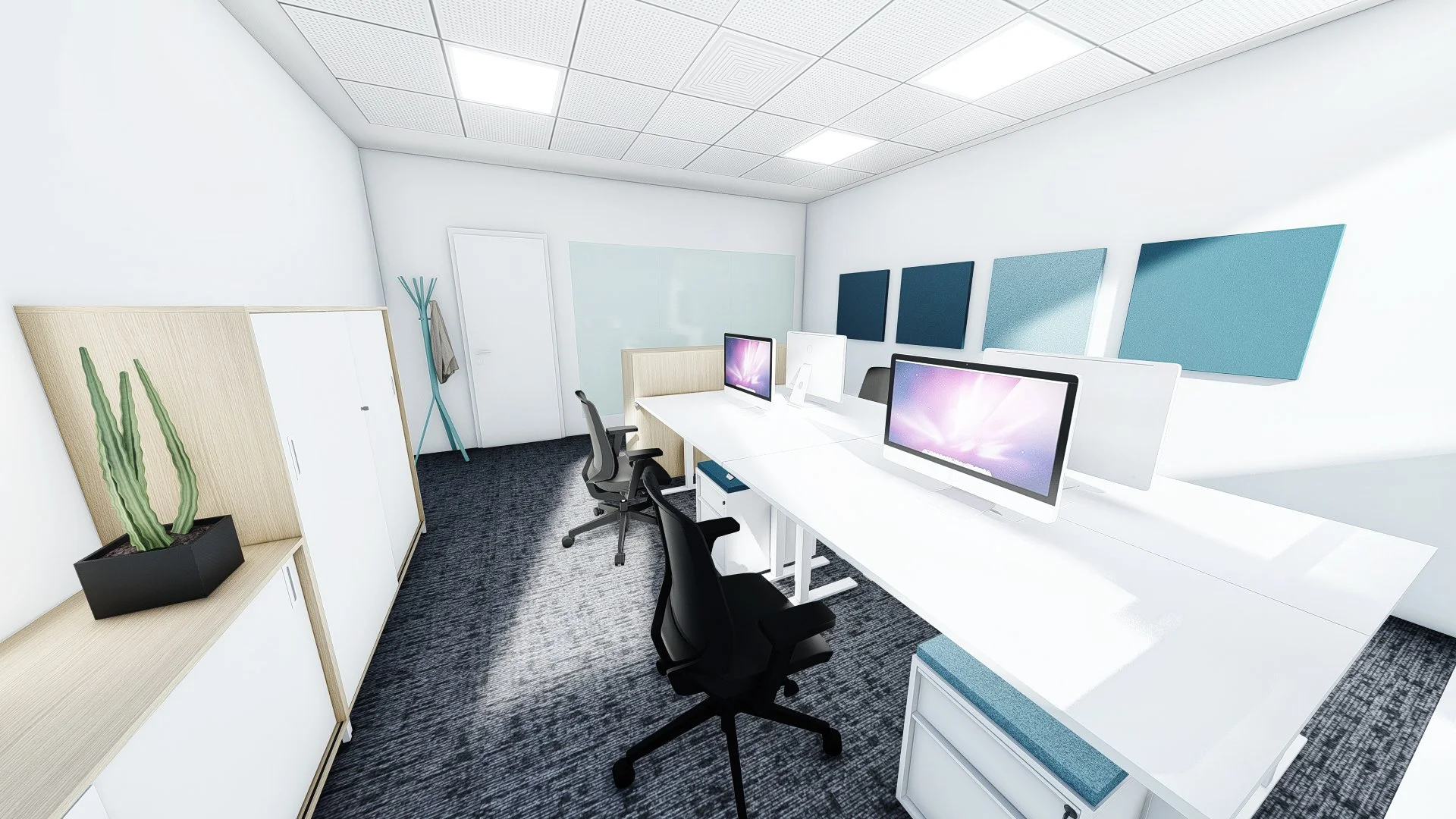
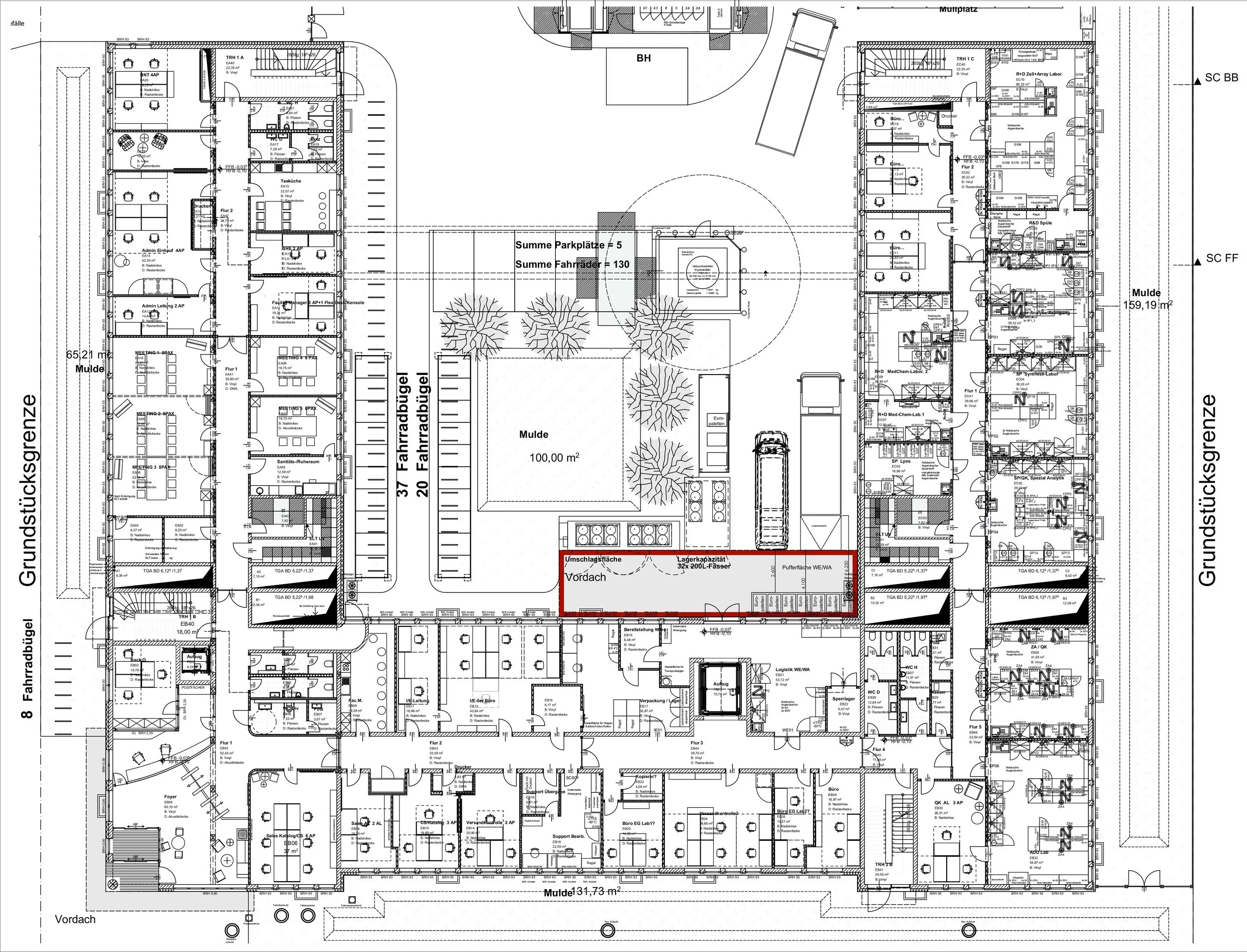
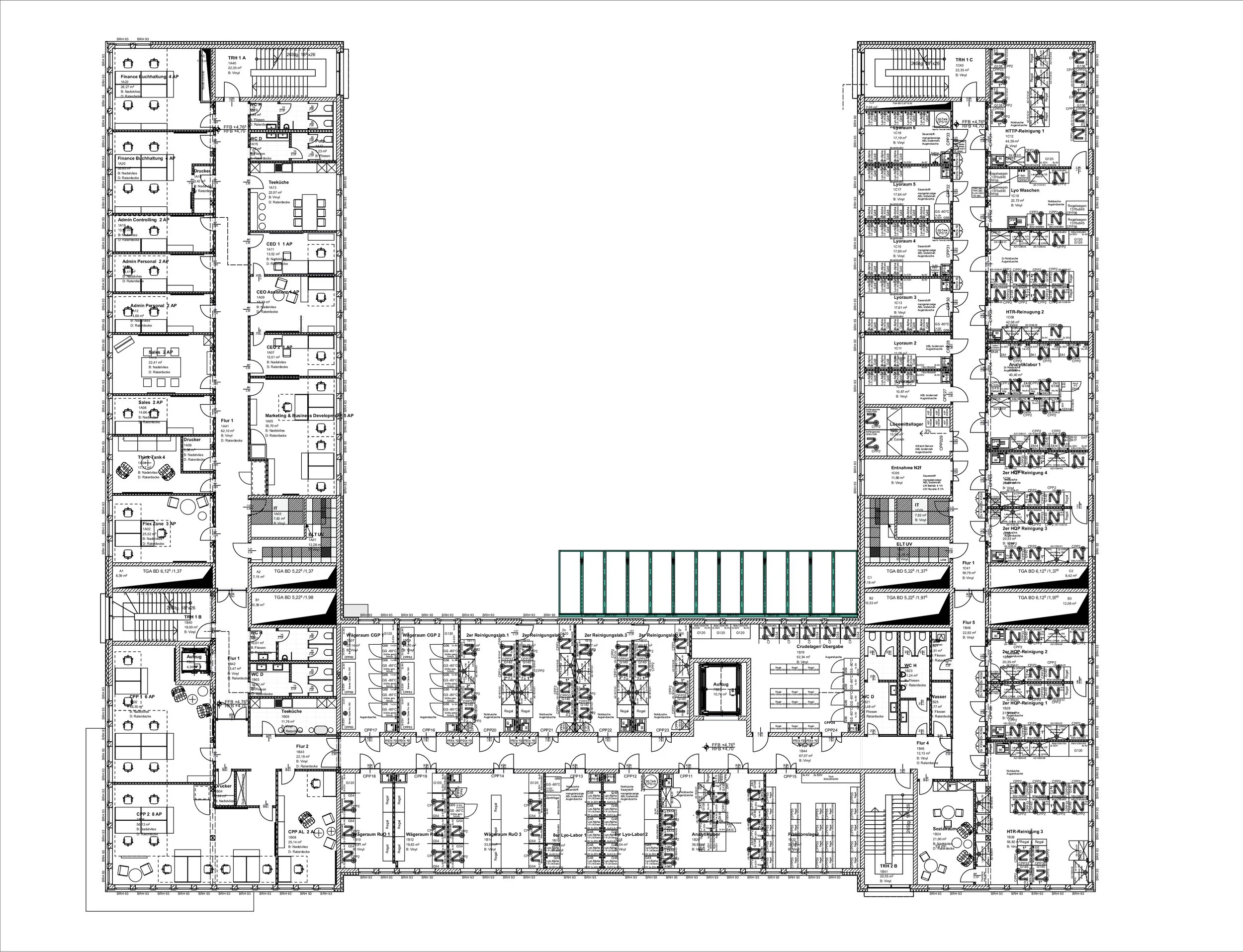
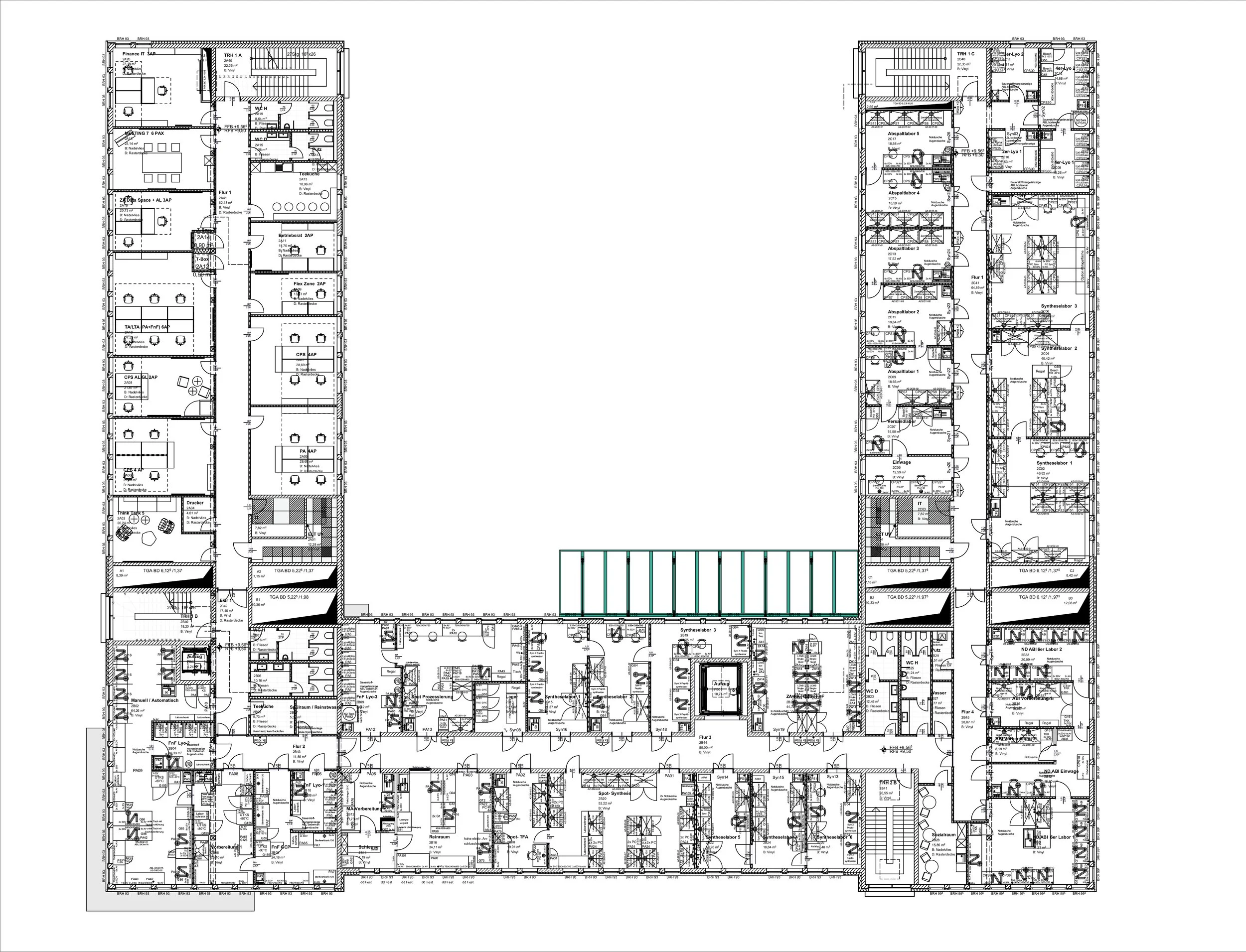
JPT, a prestigious partner of BionTech, extended an invitation to nod studios to lead the development of a concept for their new office in Berlin. The stakes were high as the design brief demanded precision and adherence to specific requirements. The challenge lay in reconfiguring the interior to accommodate a very particular number of employees, each assigned to their designated spaces. Functionality was deemed paramount by the client, and we embarked on a mission to create a workspace that optimally catered to their needs.
Throughout the project, the importance of preserving the company's corporate identity colors could not be overstated. Integrating these colors seamlessly into the interior design while ensuring a cohesive and inviting environment was a task that required meticulous attention to detail. Balancing aesthetics with functionality, we set out to transform the office space into a harmonious yet efficient work environment. The client's emphasis on security measures and a strict team division added an additional layer of complexity to the project.
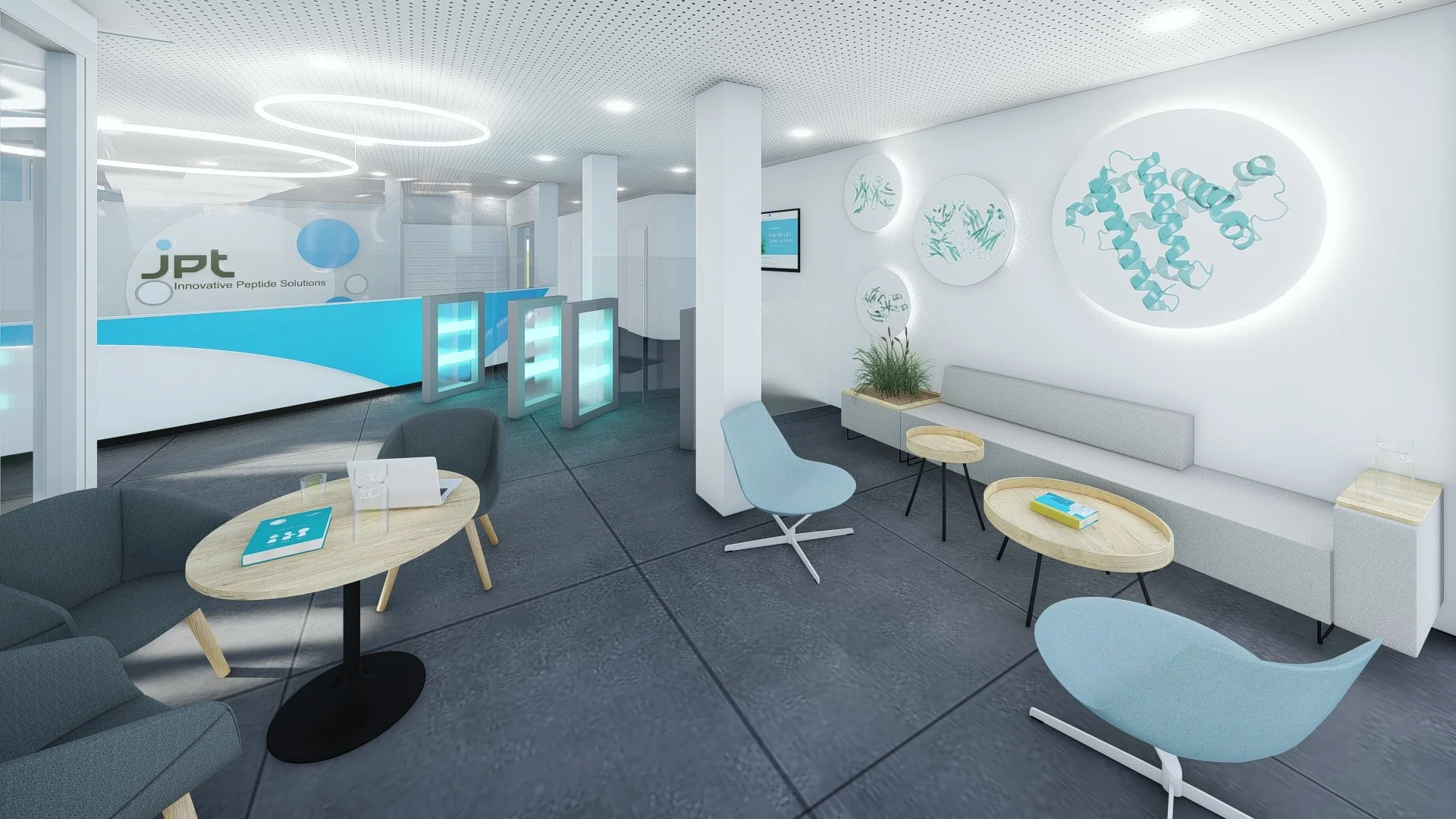
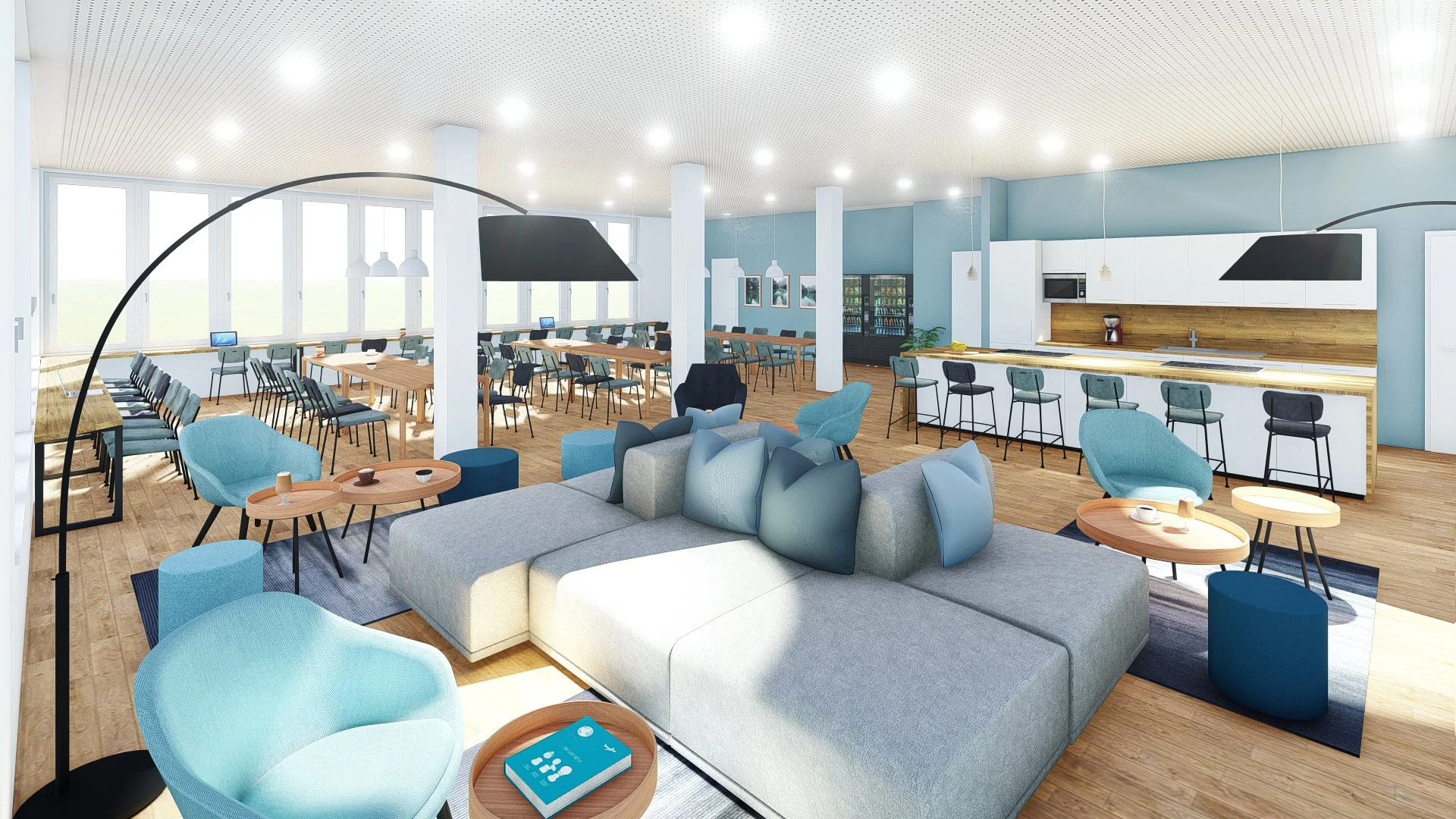

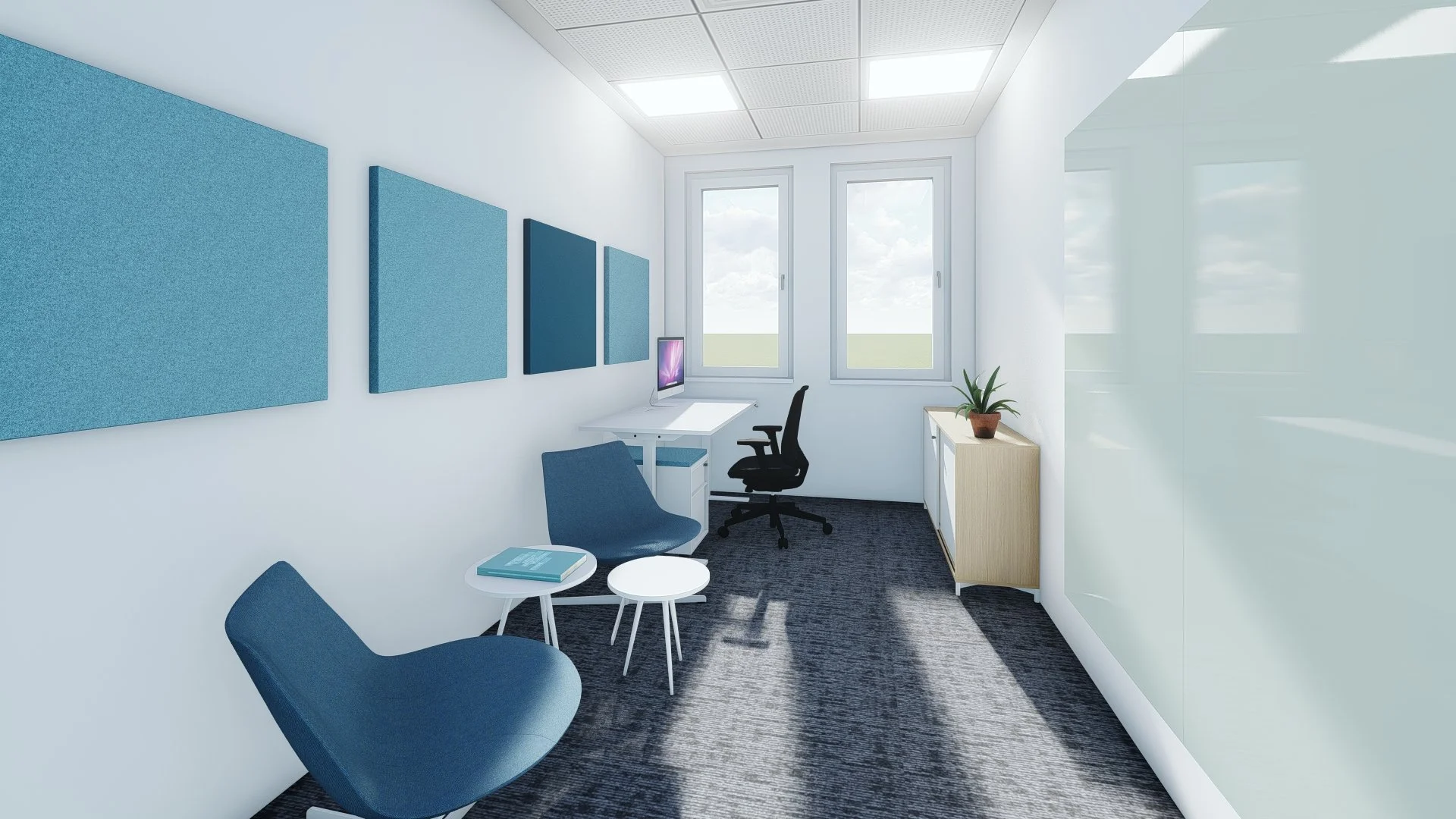
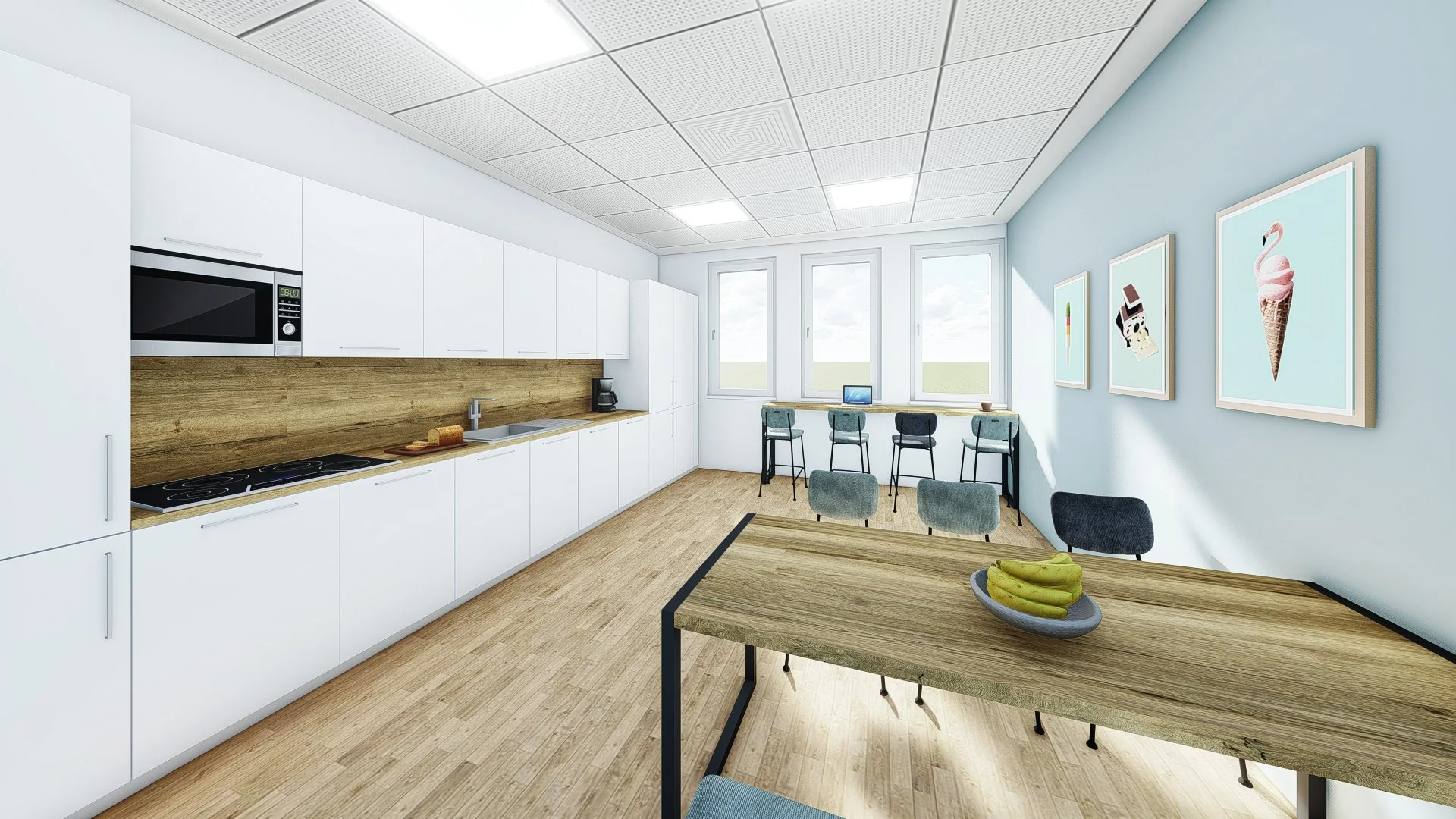
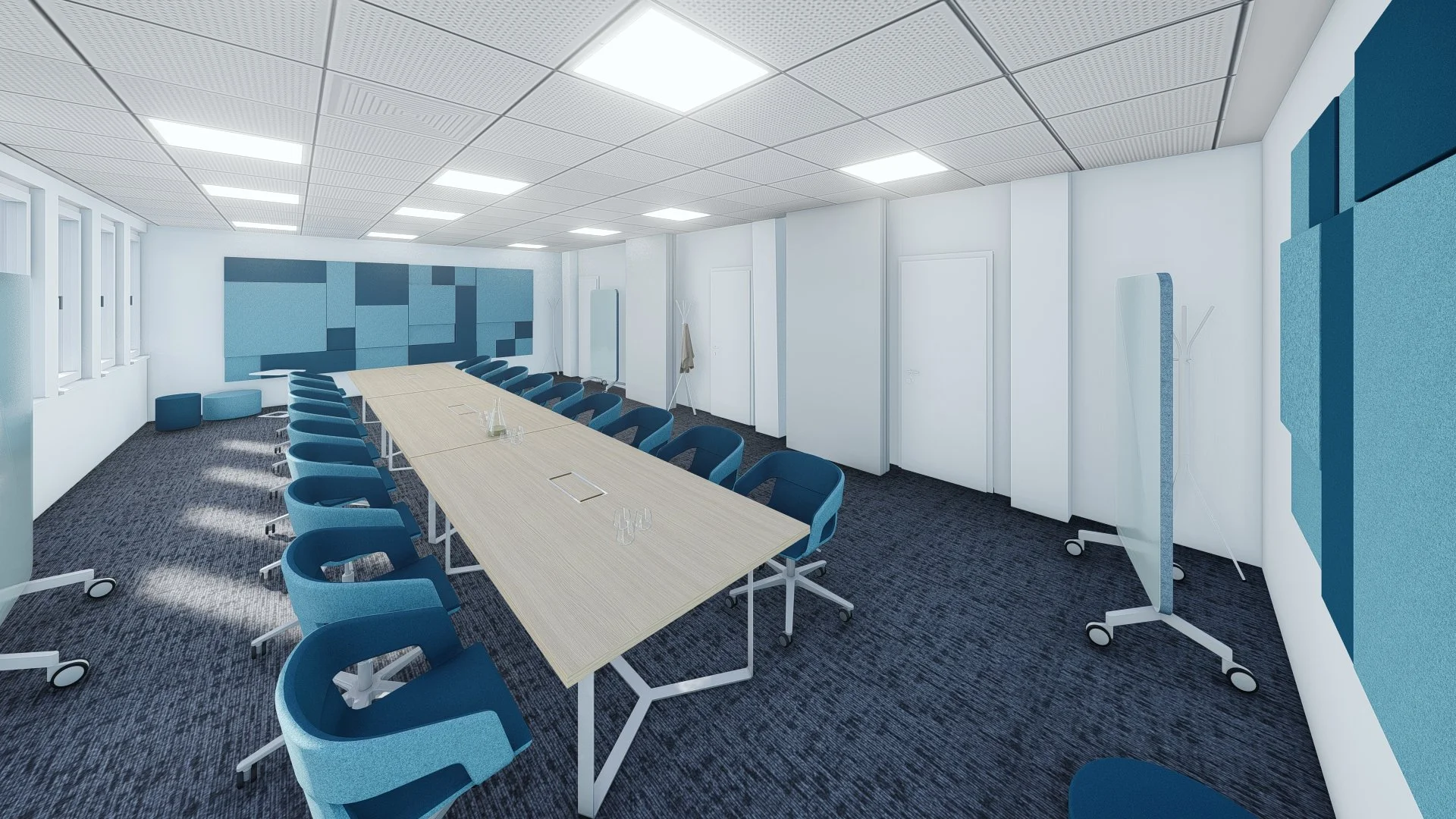
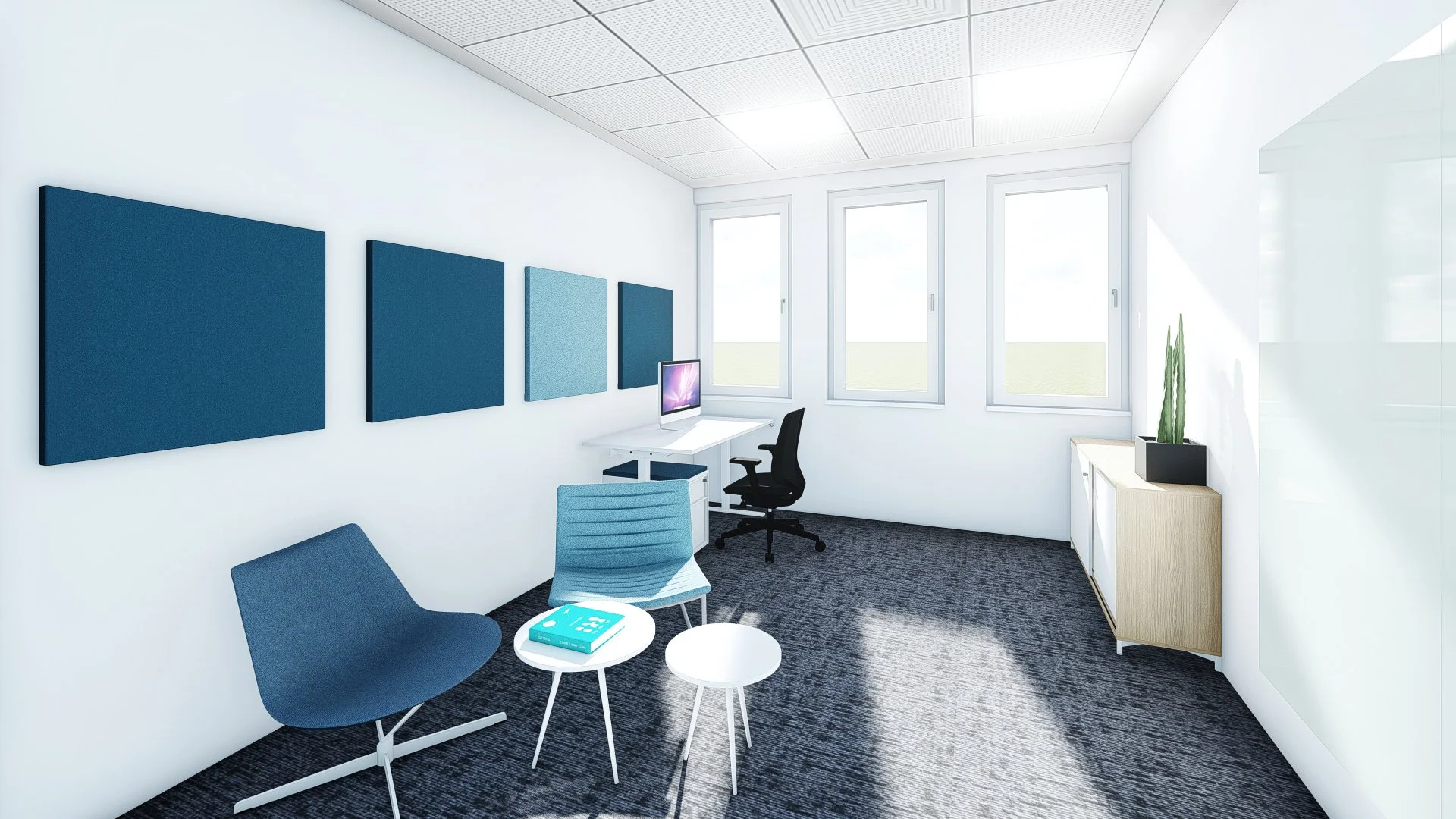
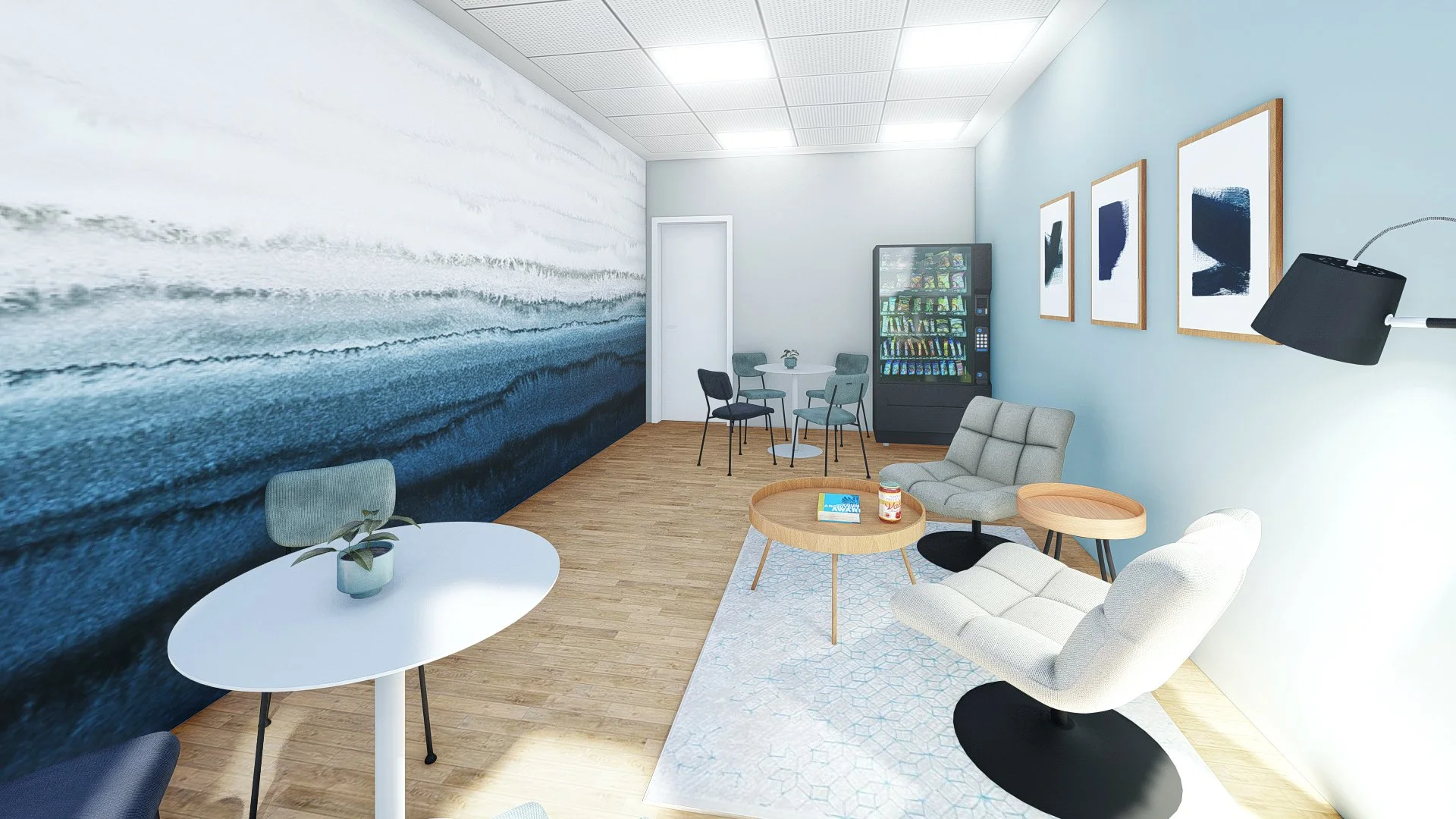
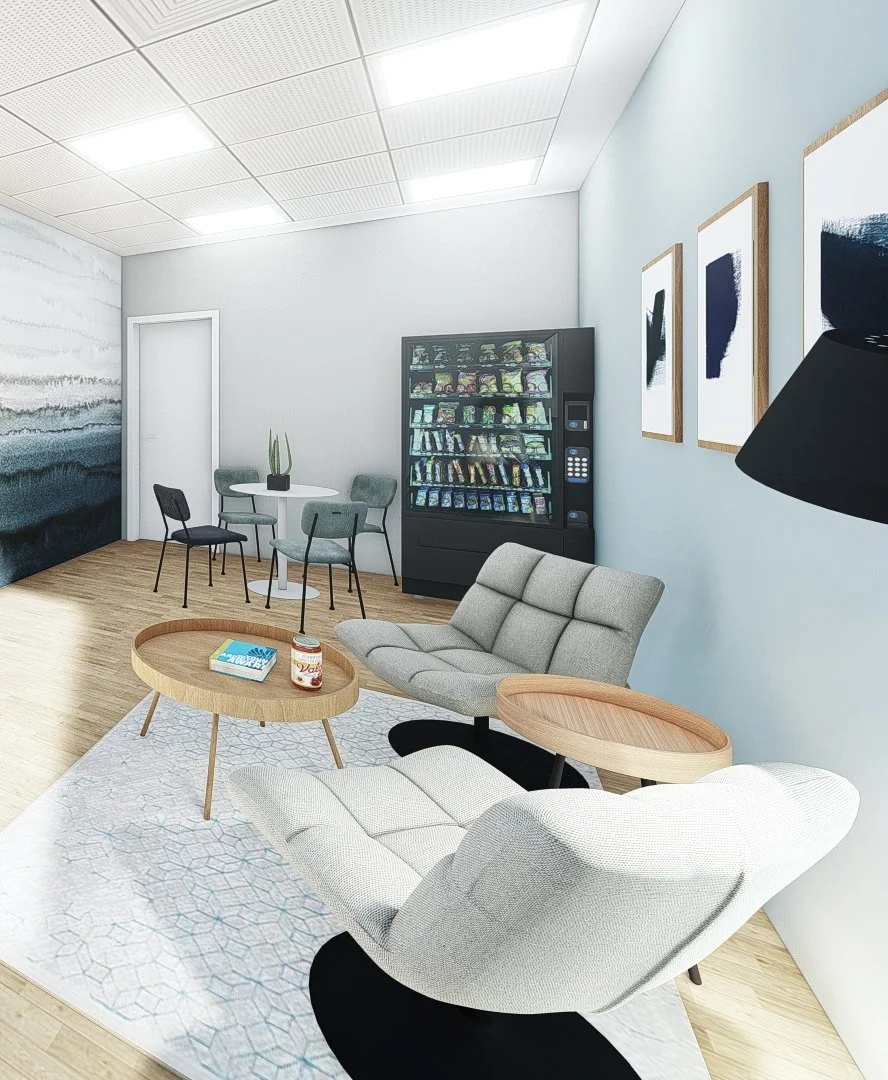
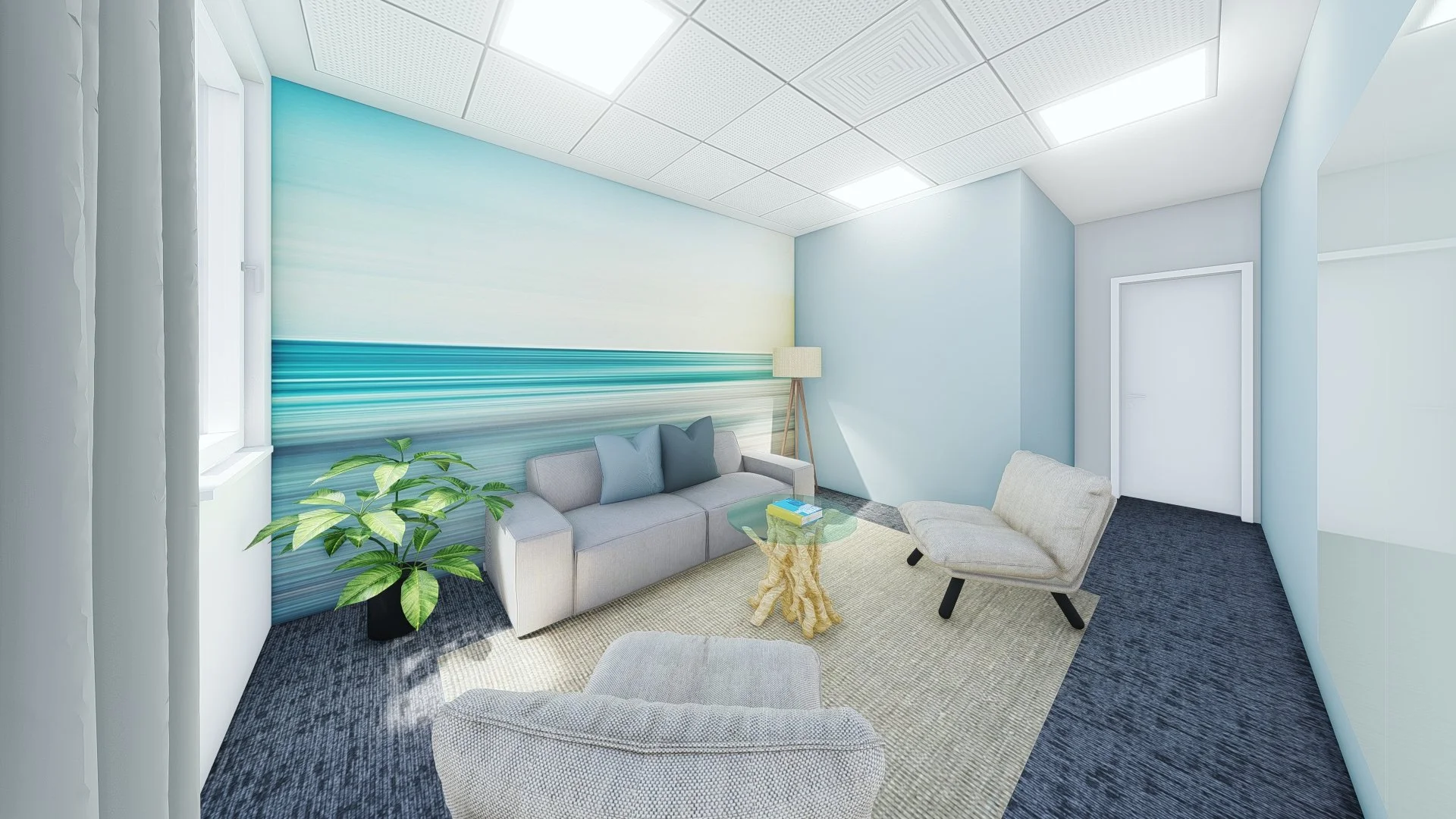
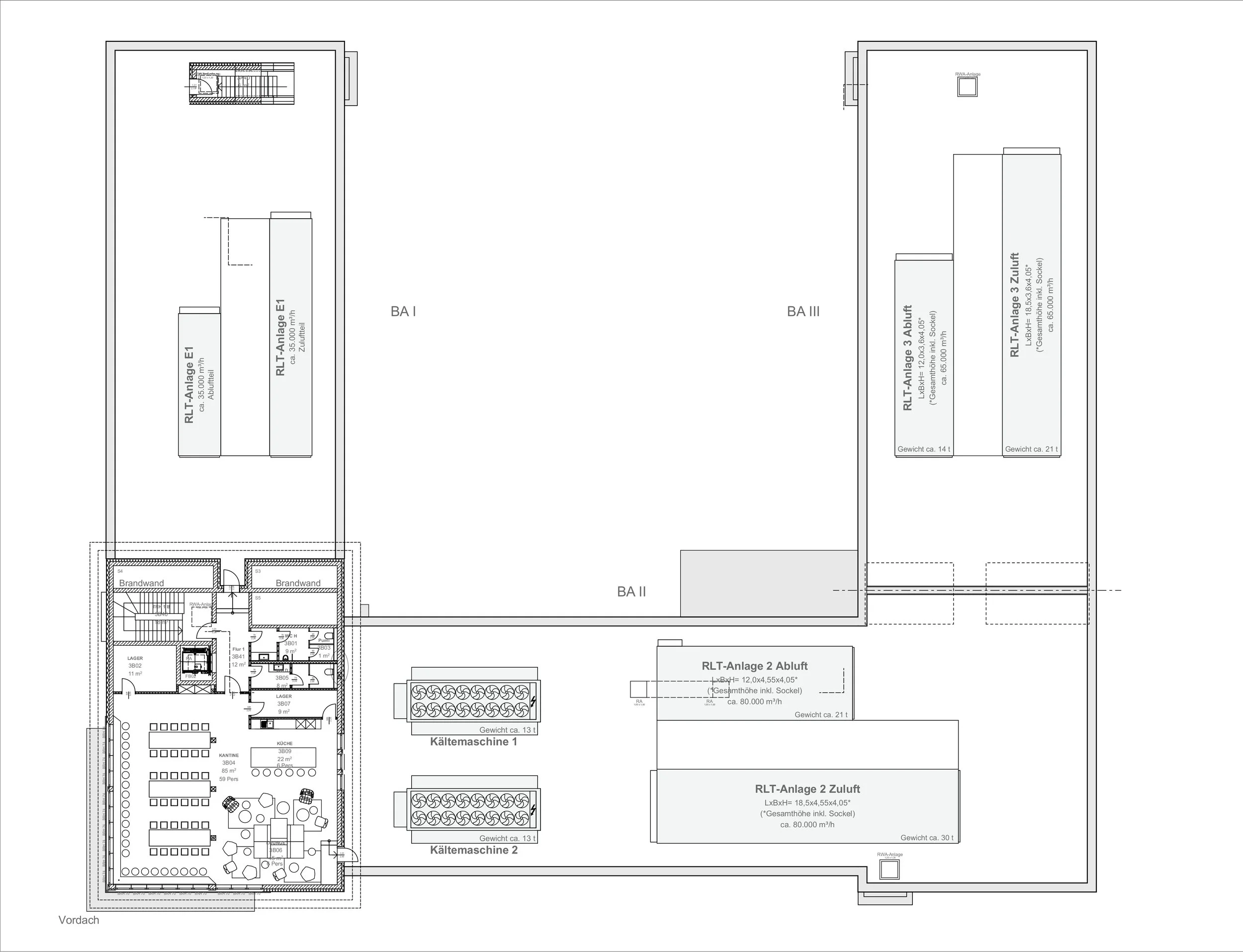
In the process of developing the concept for JPT's new office in Berlin, one of the key elements we focused on was creating communal spaces that hosted a harmonious environment, where workers from both the lab and the offices could come together and unwind. Recognizing the significance of promoting a sense of community and collaboration, we strategically designed open lounges, breakout areas, and a welcoming cafeteria.
These spaces were thoughtfully integrated into the floor plan, encouraging employees to connect, exchange ideas, and build strong bonds beyond their respective roles. The result was a unified and inclusive space that provided an oasis of tranquility amidst the fast-paced work environment.
What I learned
The challenge of accommodating a precise number of employees into designated spaces while ensuring functionality and adhering to the client's requirements pushed me to develop problem-solving skills. I had to meticulously analyze each aspect of the project, optimizing the workspace efficiently. The experience taught me the value of adaptability and the importance of striking a balance between functionality and aesthetics.