Cultural space in Transylvania
Diploma work, Ion Mincu Architecture University, Bucharest 2010-2011
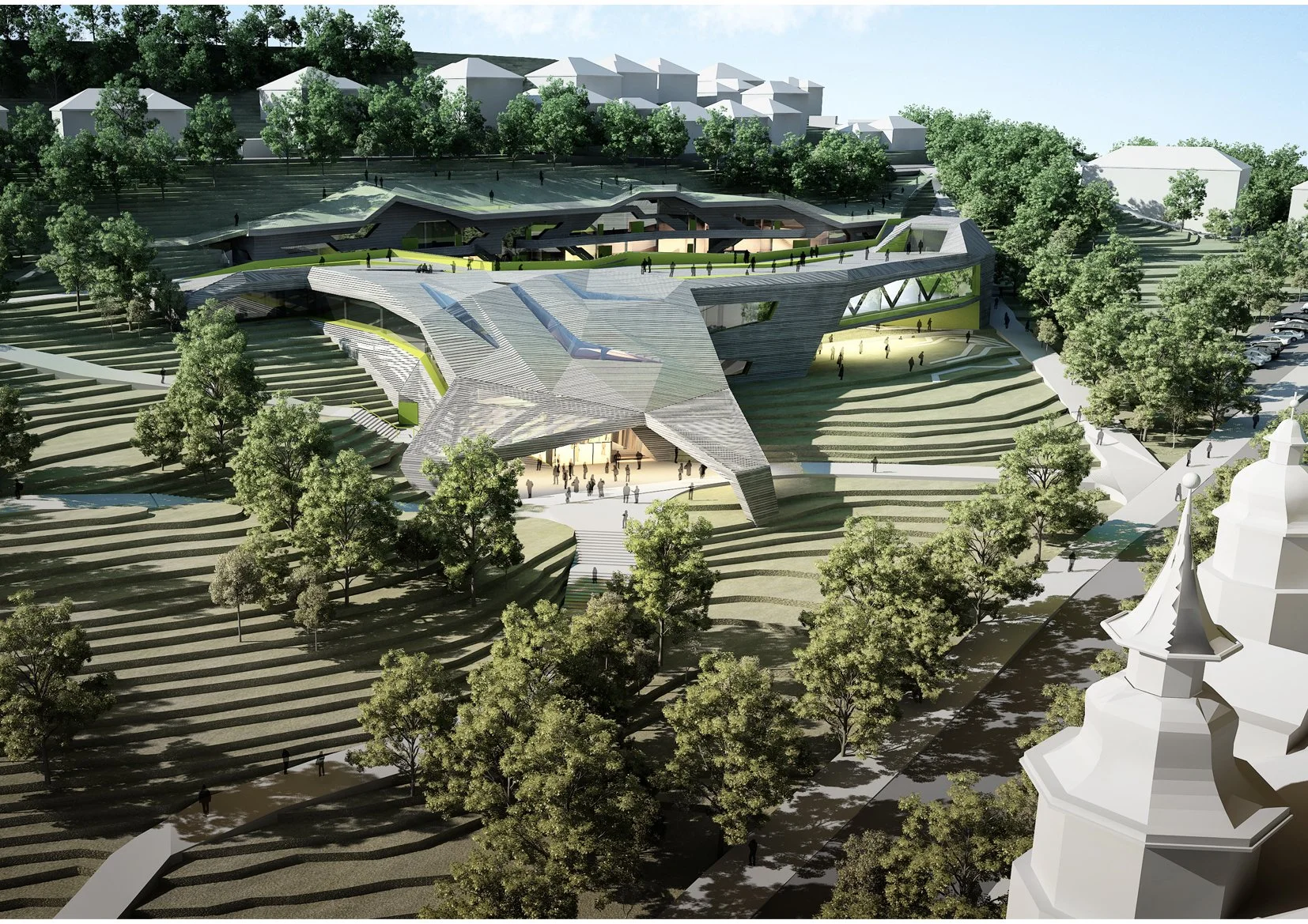
The architectural diploma work completed in 2010-2011 aimed to create a cultural space in Brasov, Transylvania a region of Romania, as a response to the changing dynamics of the city and the contemporary art scene in the country. The project focused on revitalizing Livada Postei, a significant site that had lost its cultural essence due to corporate intervention. By developing a design centered around an exterior public space, the intention was to recreate the vibrant atmosphere reminiscent of Transylvania's medieval citadels, bastions, and inns.
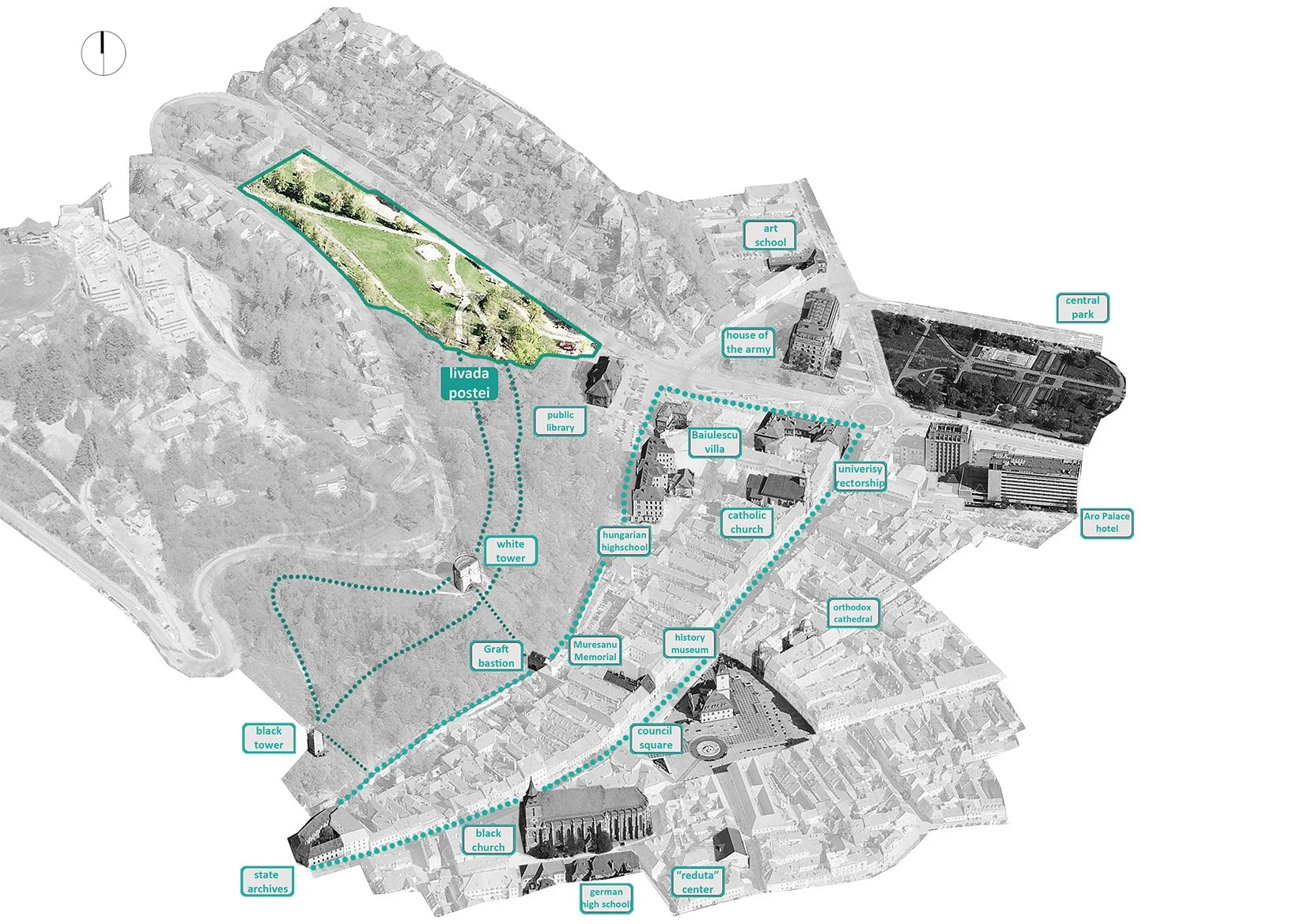
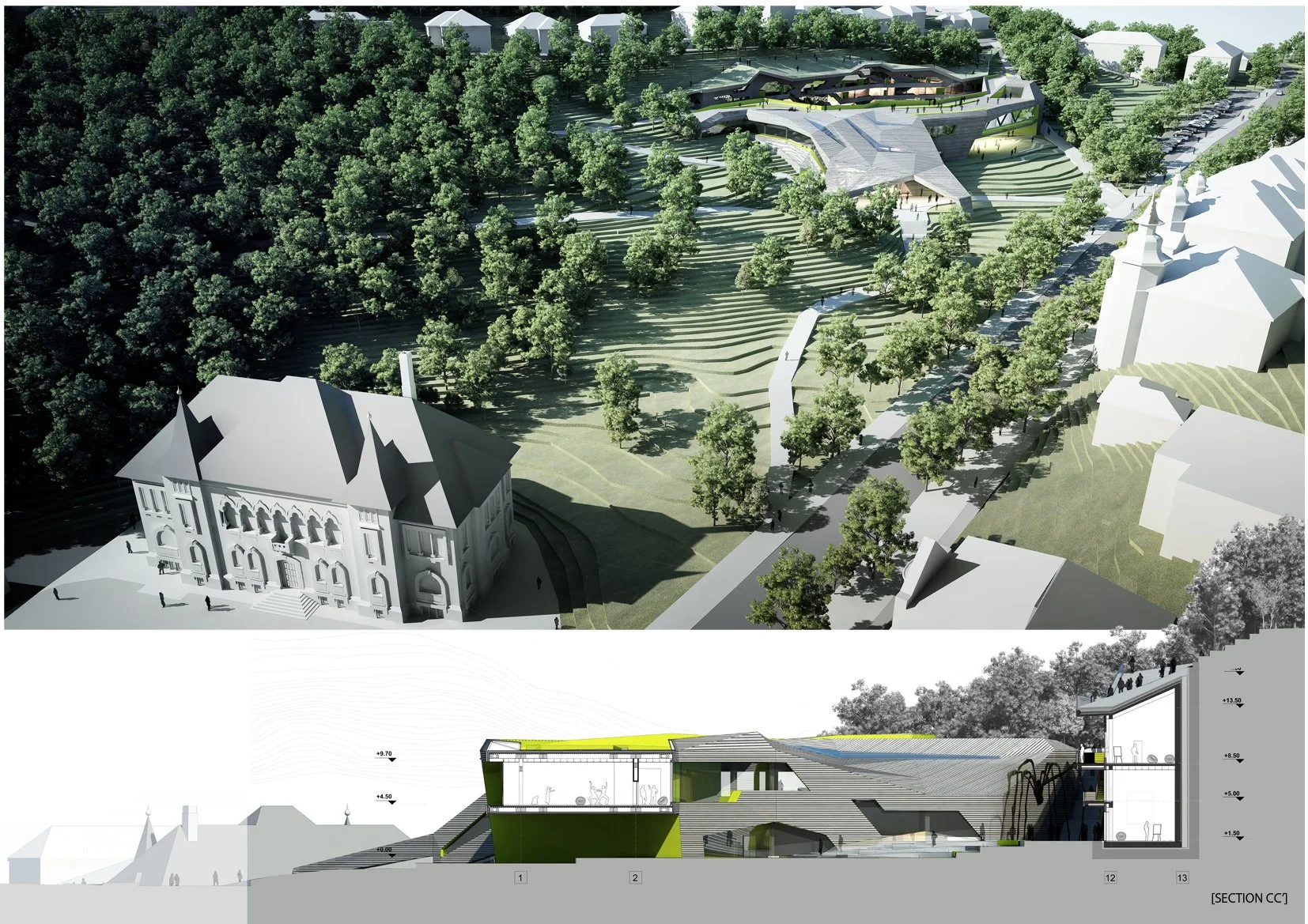
The space also known as The Orchard, holds a prominent place within the main cultural route of the old citadel in Brasov. It stands in close proximity to notable landmarks such as the Black Church, The Council's Square, and the White and Black towers. Over time, the site fell under corporate control, resulting in a name change. Unfortunately, this transformation led to the erosion of the site's cultural and historical value, as it became a mere backdrop for commercial activities. The project aimed to challenge this state of affairs and restore the Orchard.
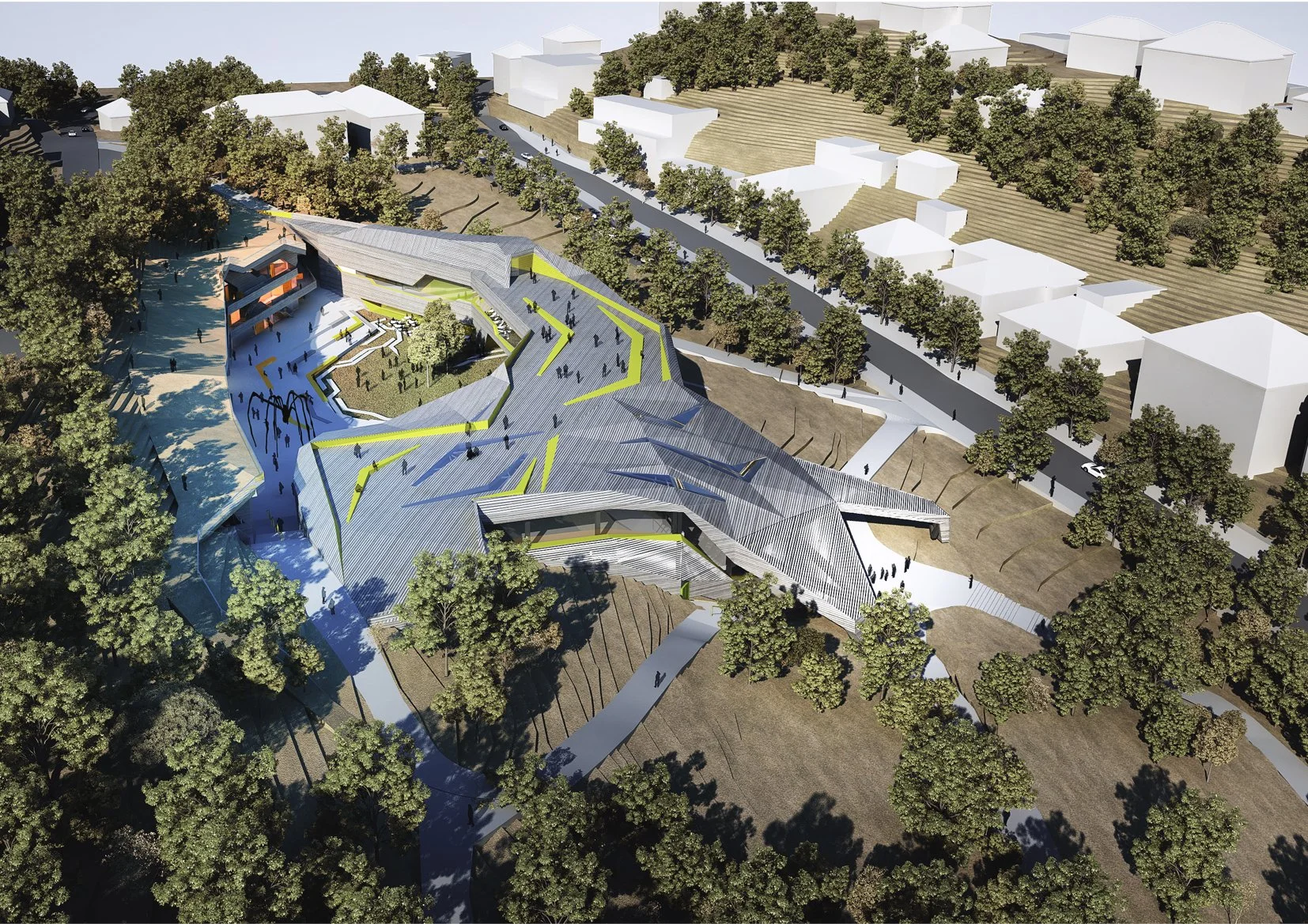
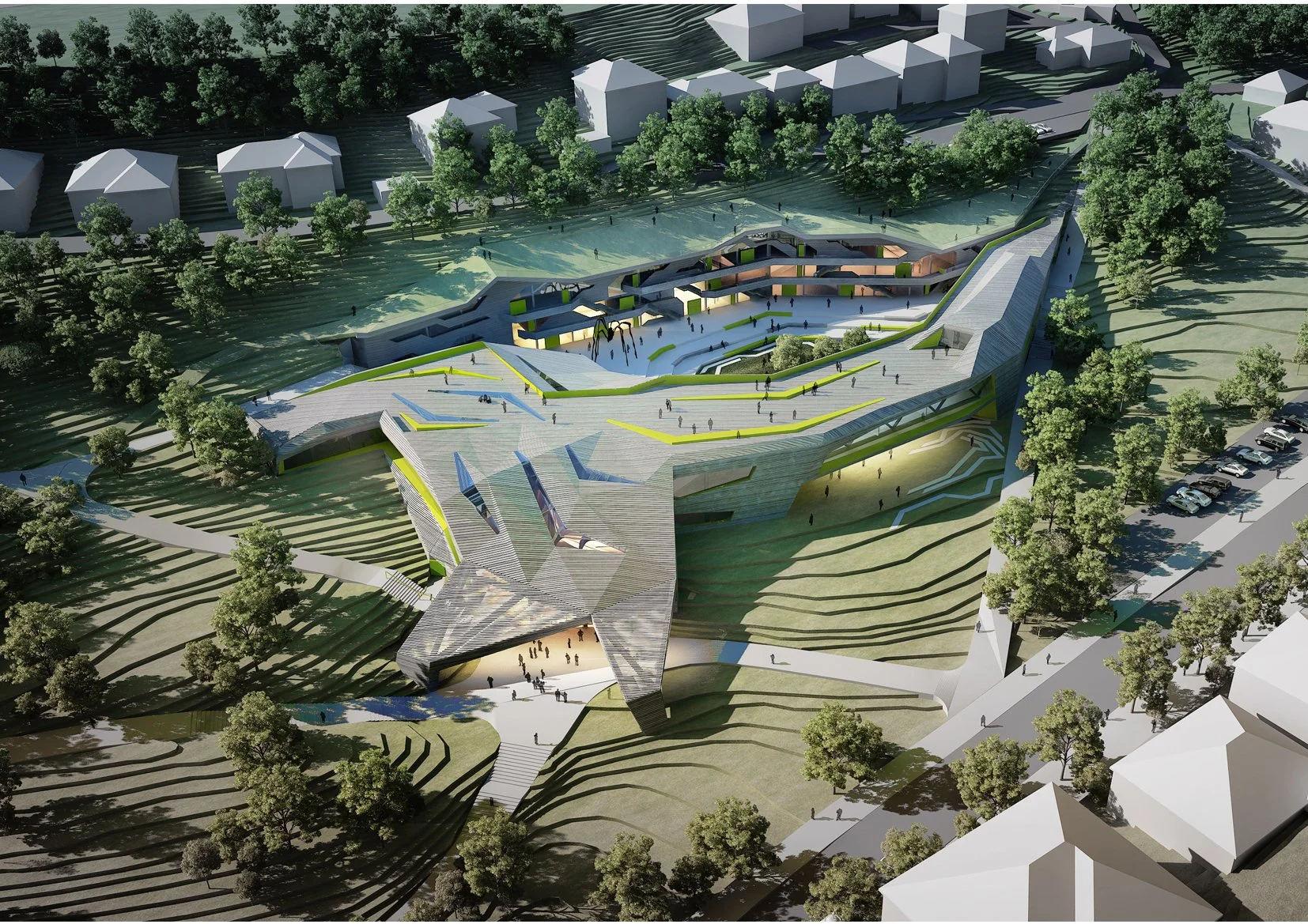
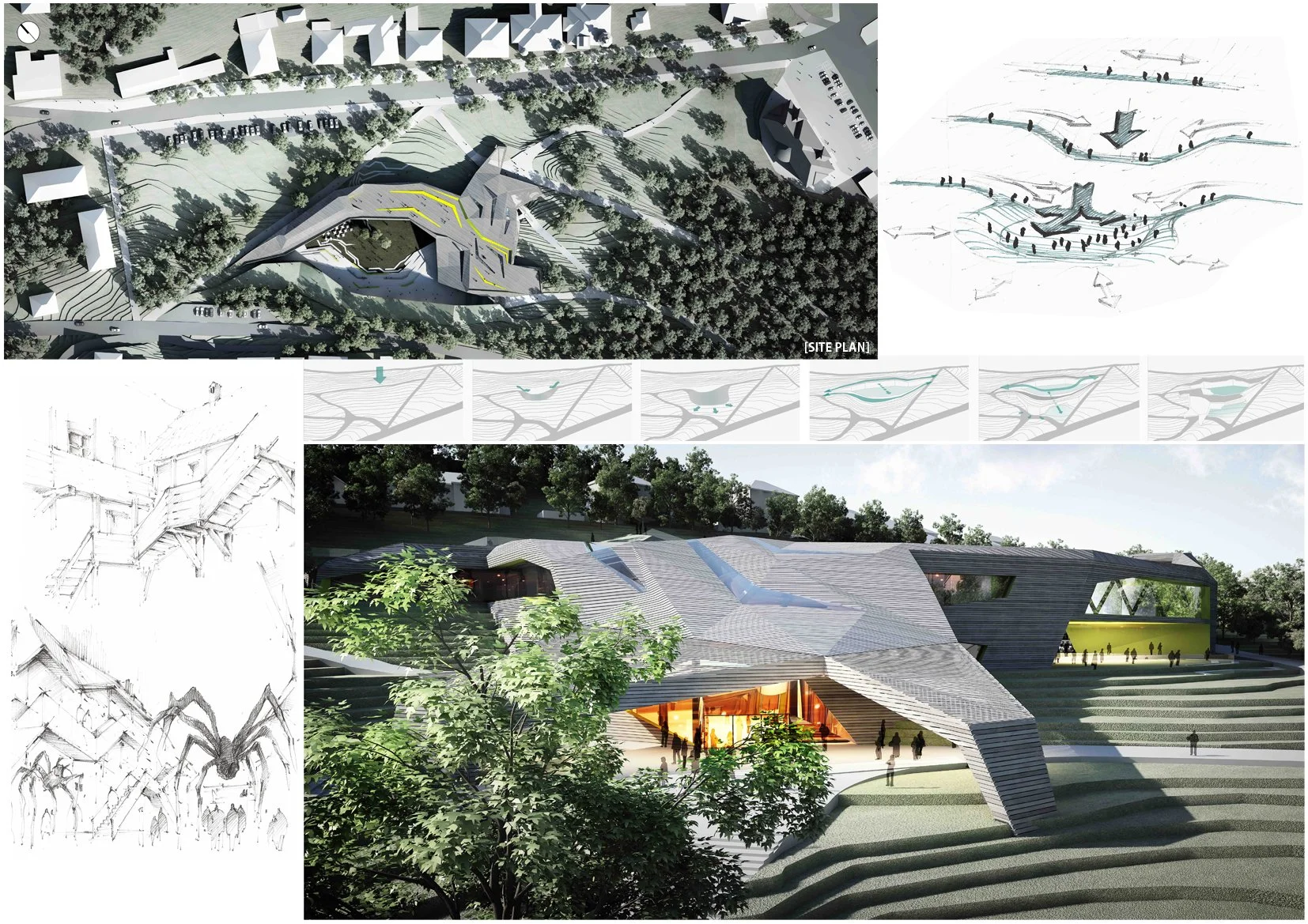
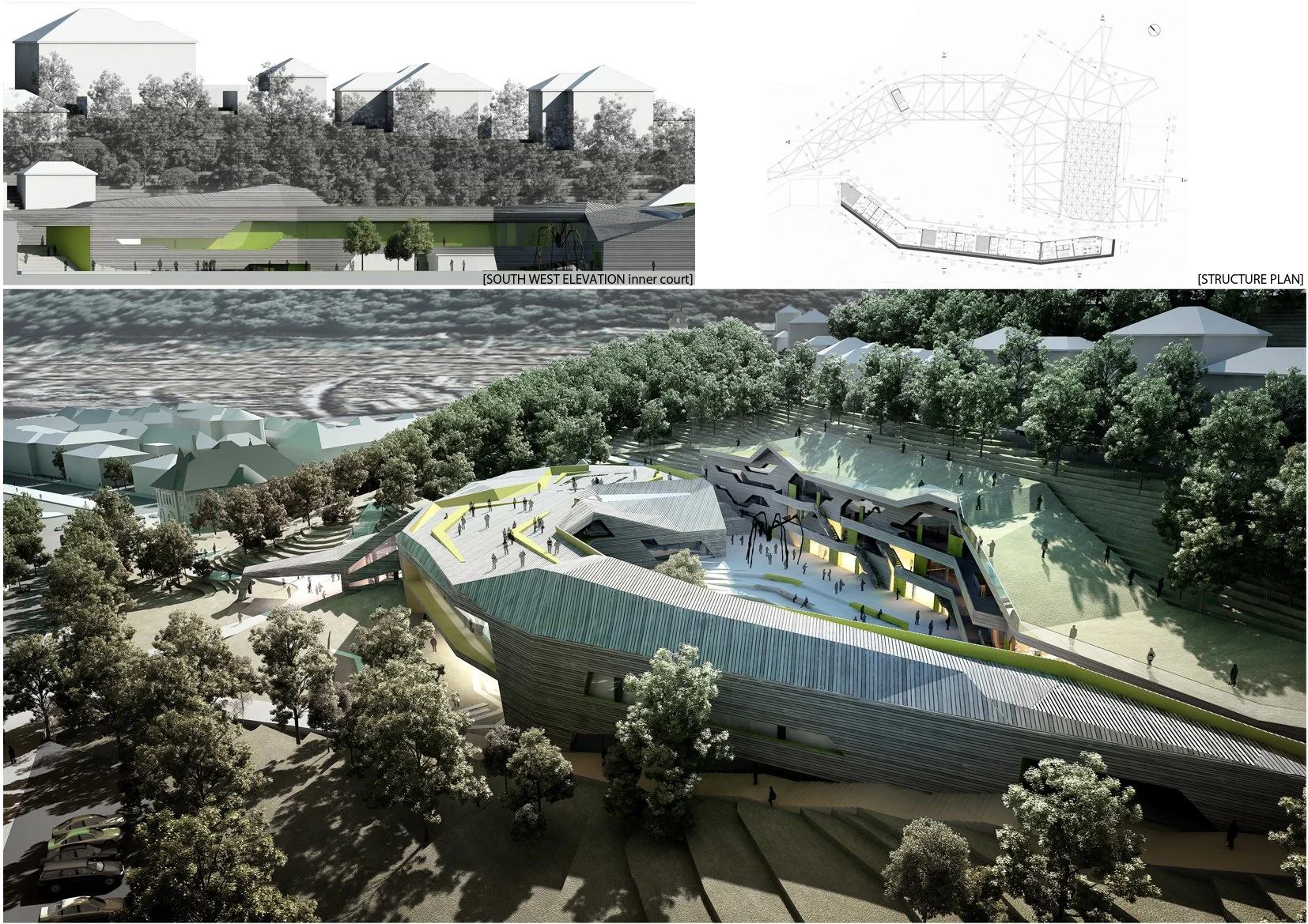
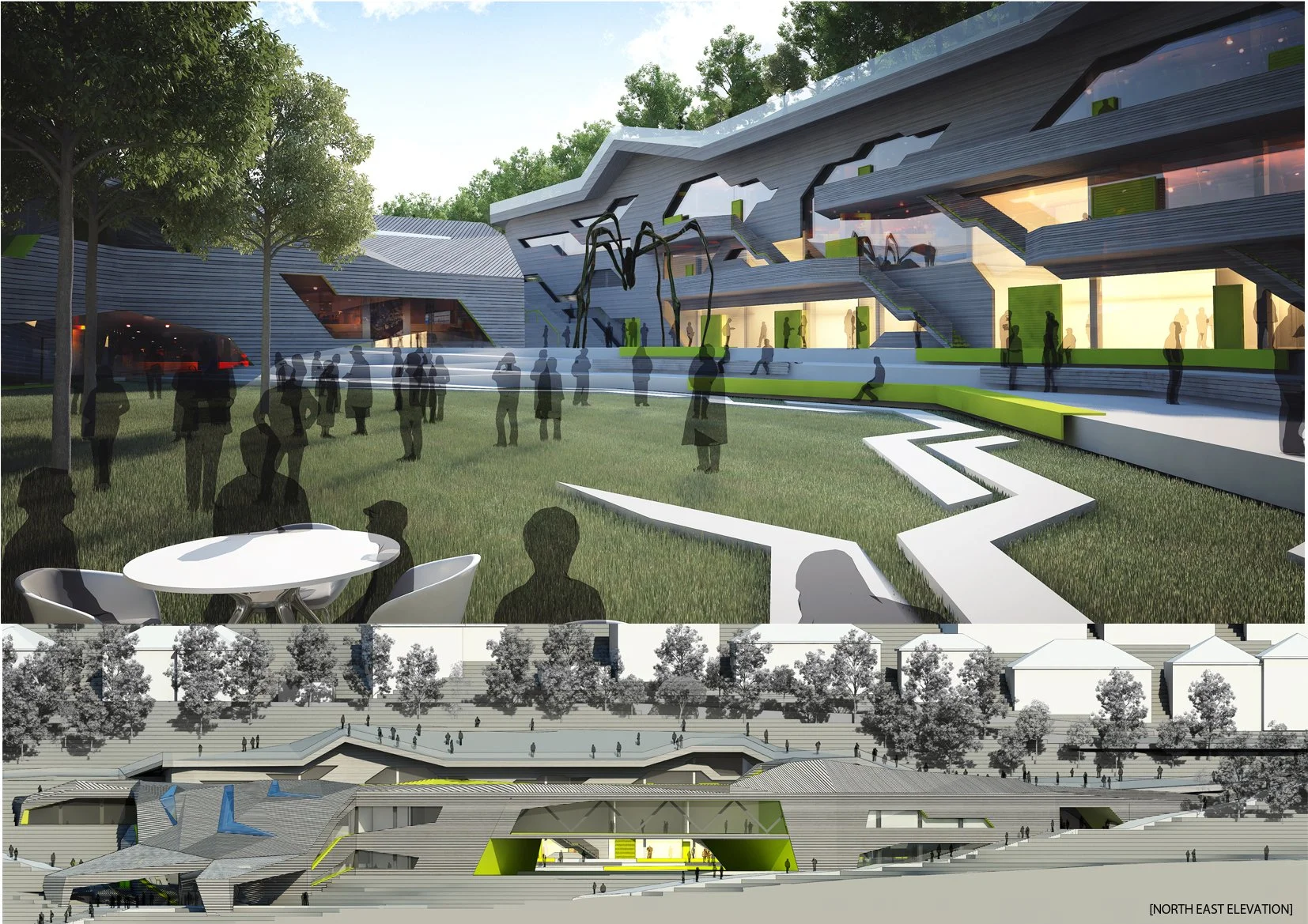
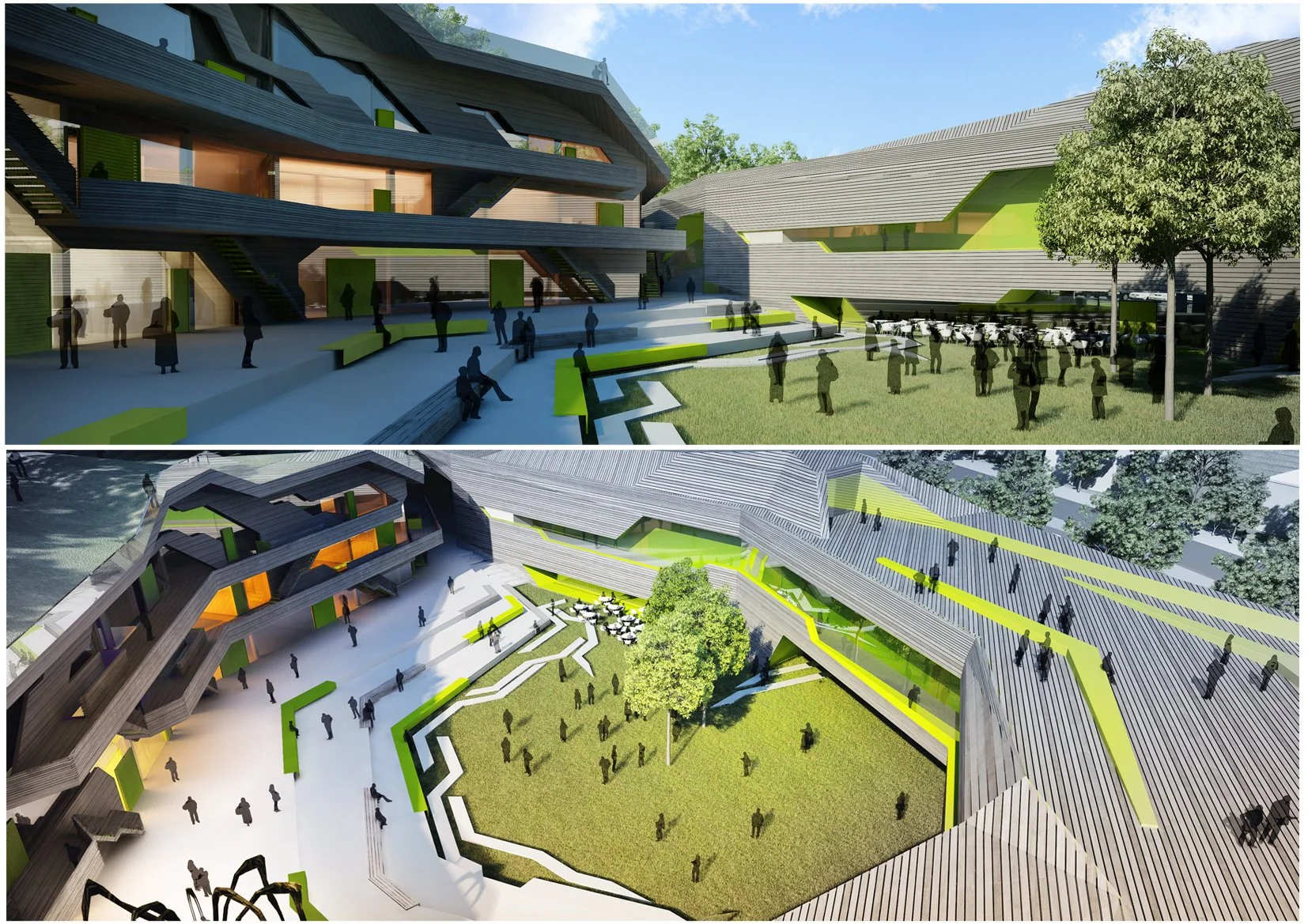
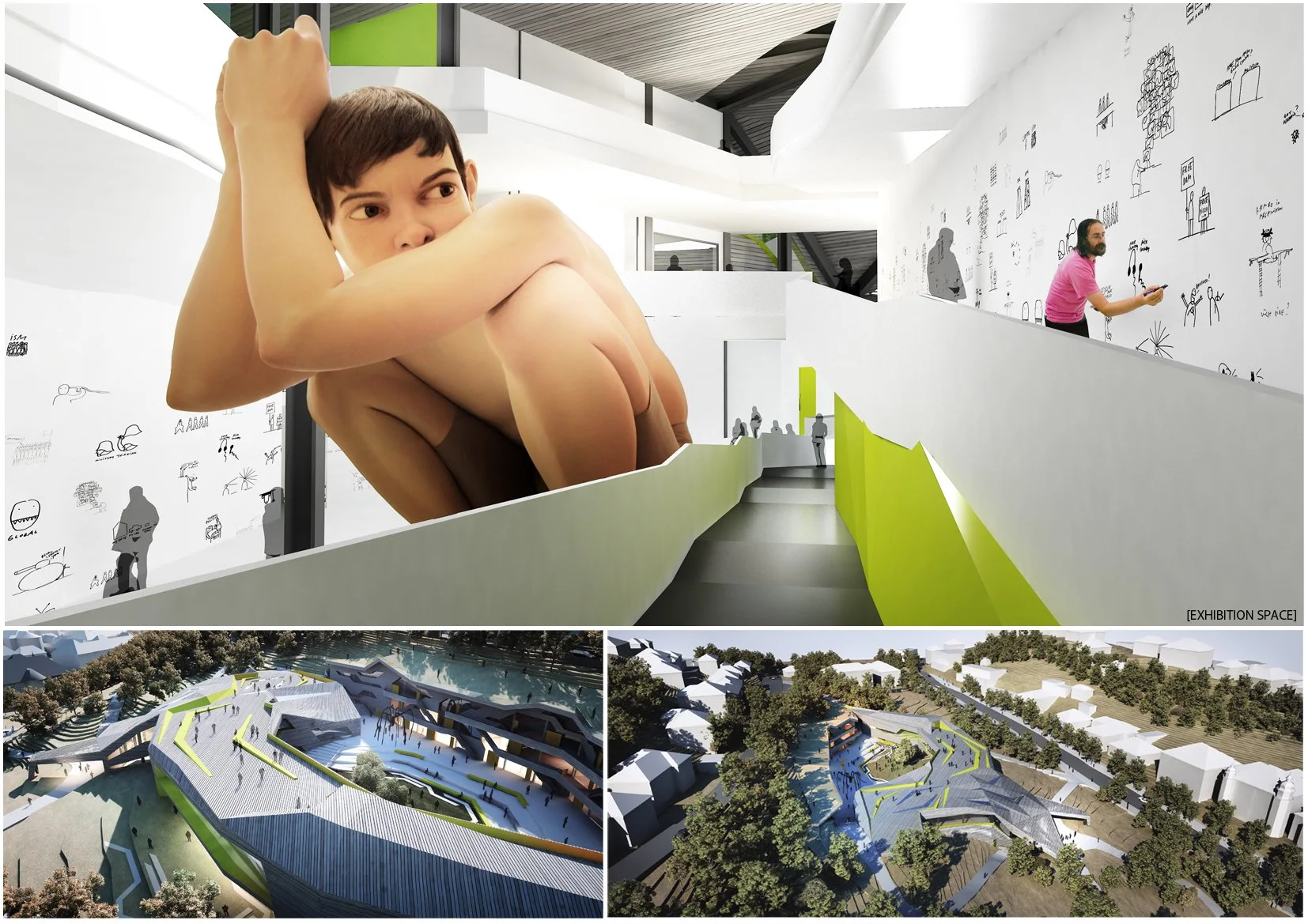
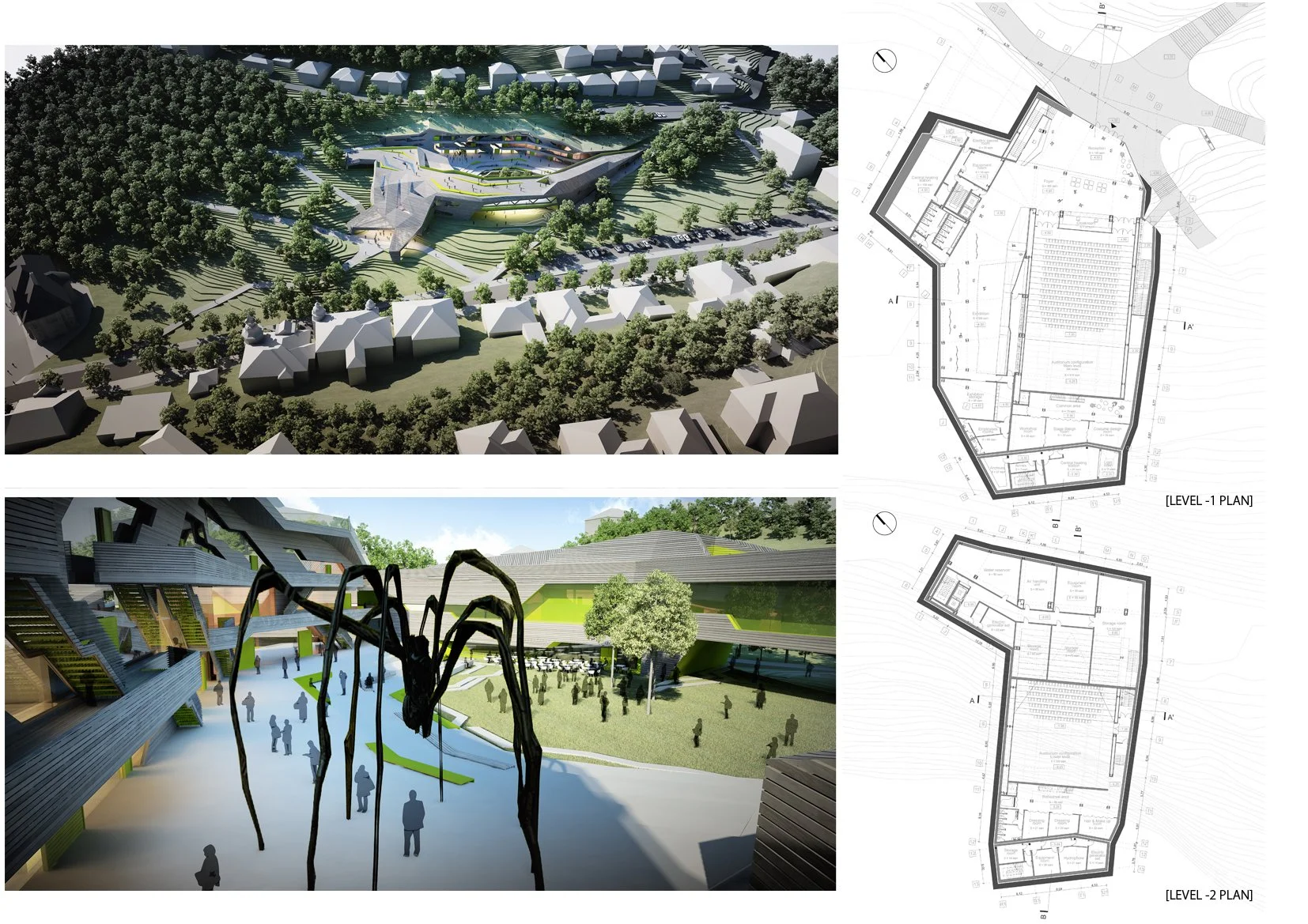
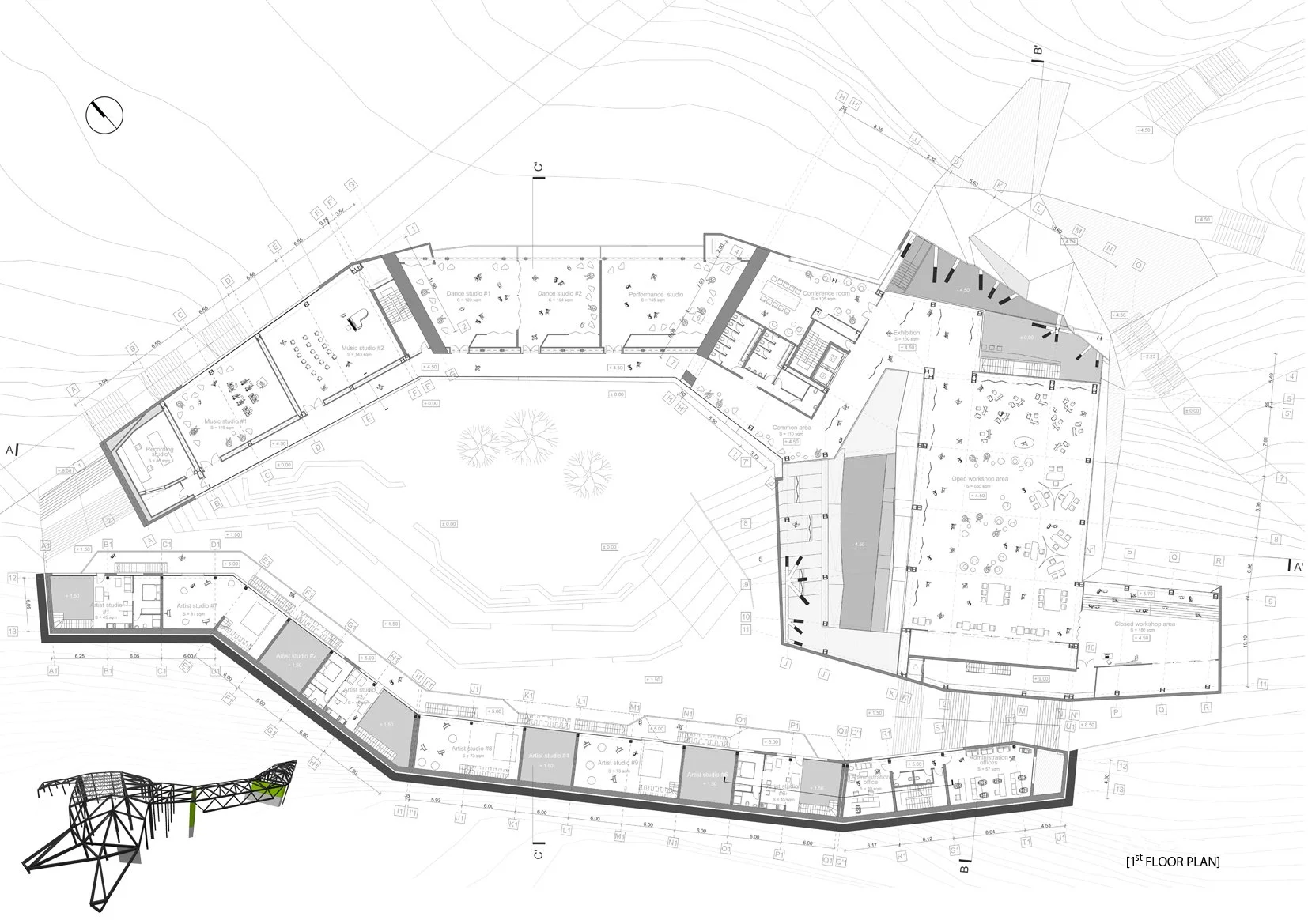
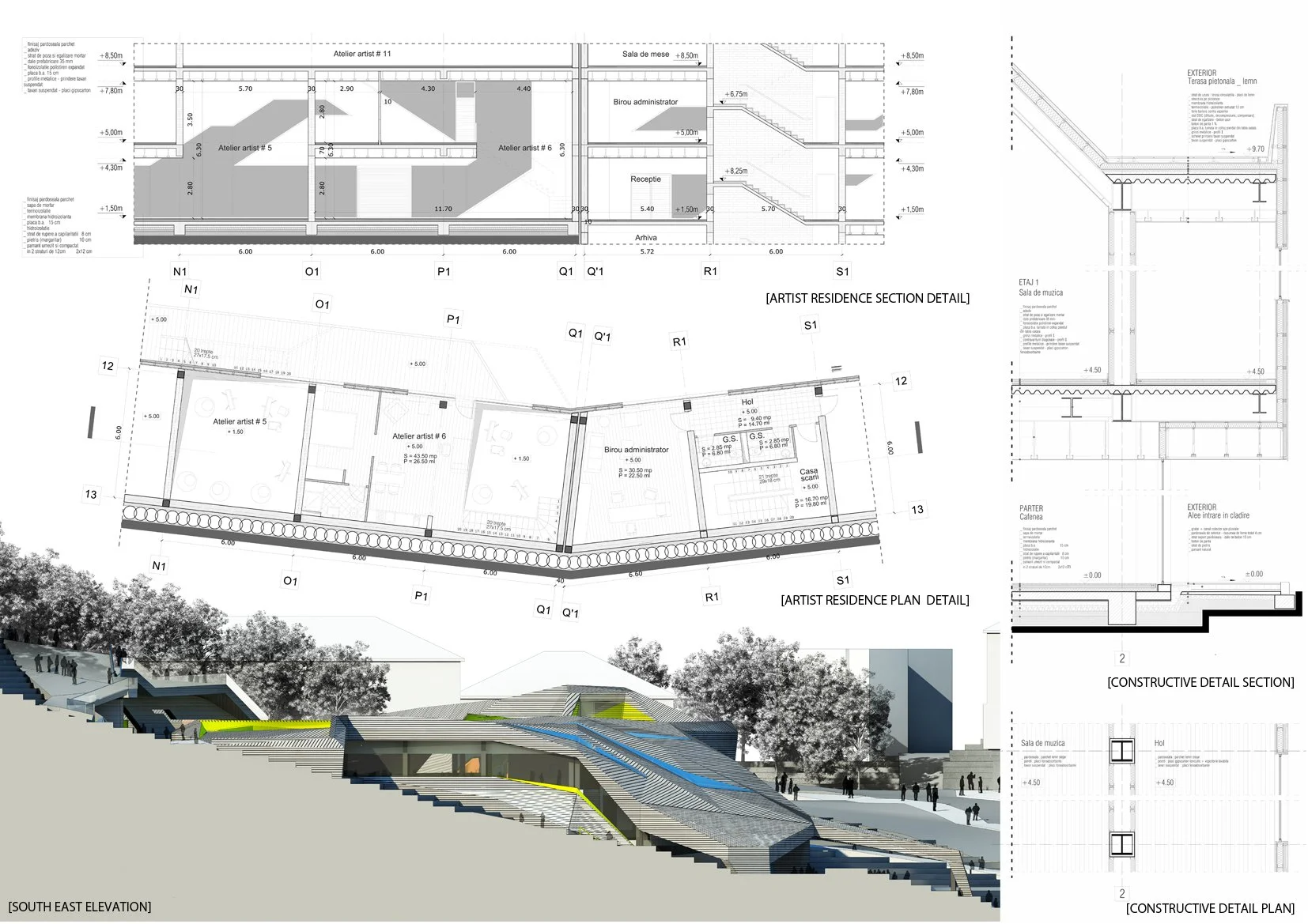
The core idea behind the architectural design was to establish an exterior public space that seamlessly integrated with the surrounding park. This space would serve as the focal point for the cultural activities proposed in the project. On one side of the public space, artist residences with ateliers were incorporated, providing a space for creating an artistic community.
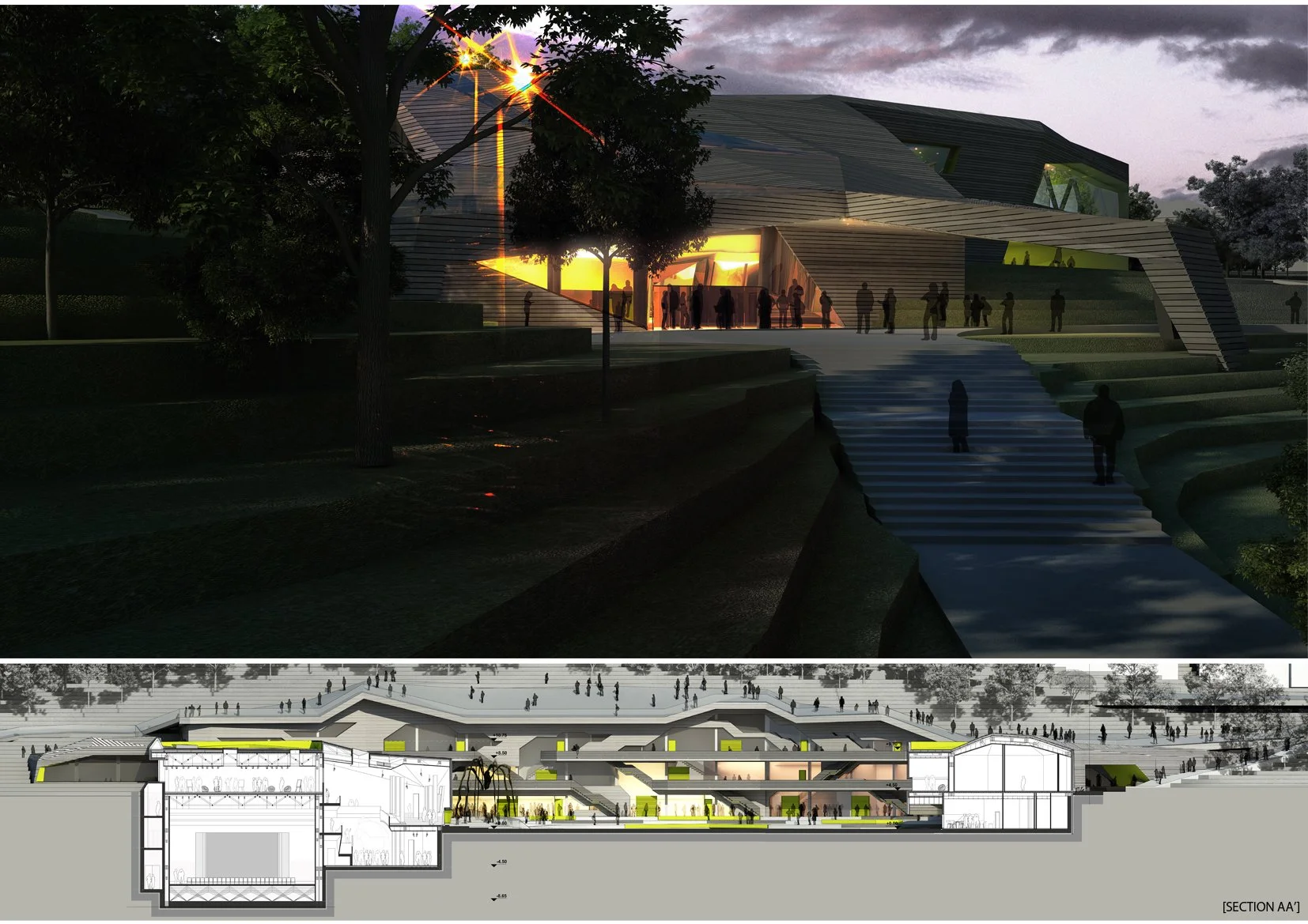
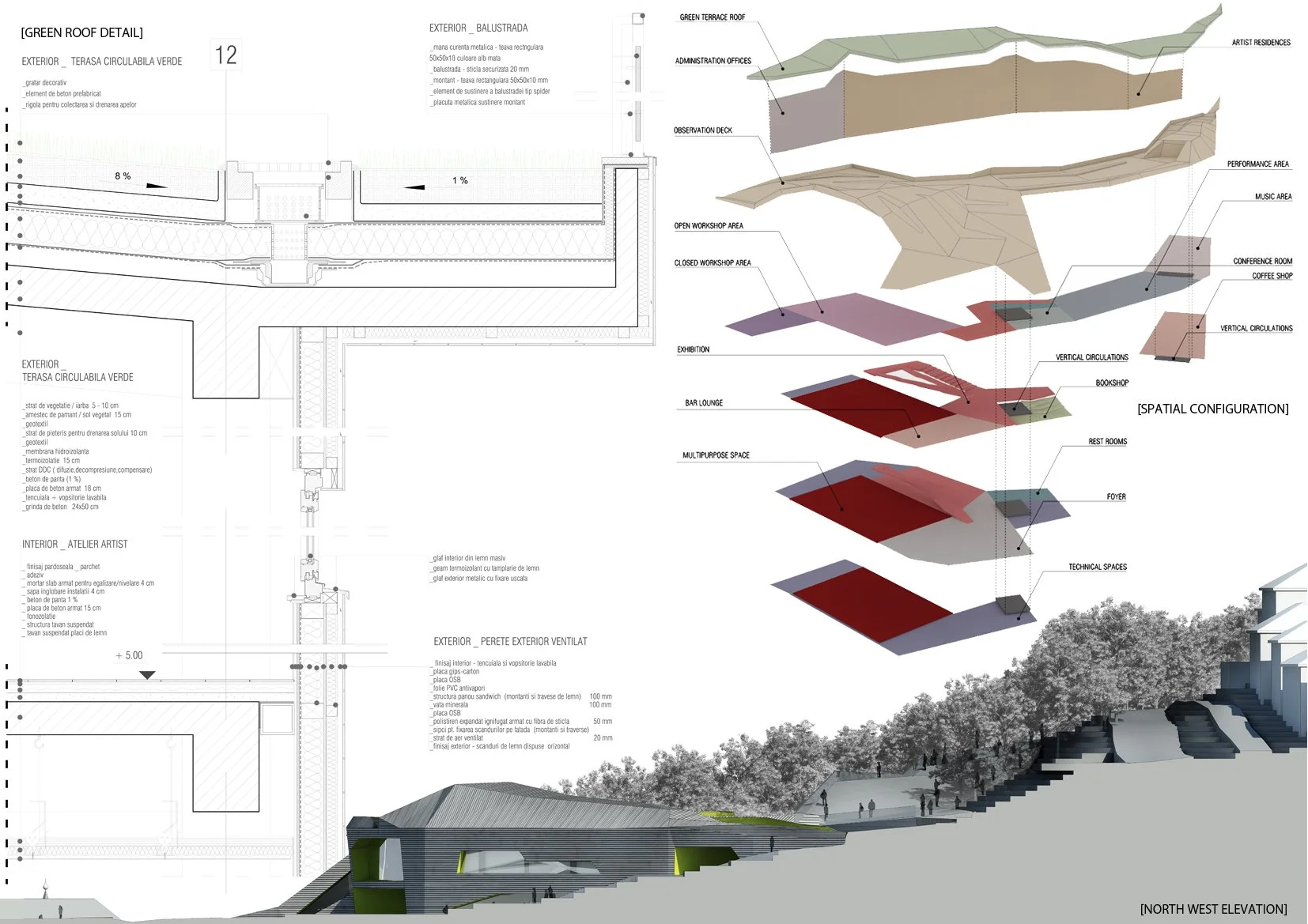
On the opposite side, a building was designed to accommodate music, performance, and visual arts, along with a multipurpose hall. This arrangement aimed to encourage interaction, collaboration, and the exchange of ideas among artists and the public. The primary goal of the diploma project was to revive Brasov’s cultural identity and create a vibrant art scene.

What I learned
By creating an exterior public space integrated with the park, and incorporating artist residences and facilities for various art forms, the project created a lively atmosphere reminiscent of medieval citadels. The objective was to challenge the prevailing conditions of contemporary art in Romania and restore the site's historical and cultural identity.