Collective Dwellings
Bucharest 2007
The dwellings in this project are designed to create a range of public, semi-public, and semi-private spaces, each with its own distinct character and atmosphere. These spaces "in between" offer a diverse and dynamic experience for the residents and visitors alike. The apartments themselves also exhibit a high degree of diversity, both in terms of their layout and overall design. The spatial arrangement creates a sense of rhythm, both horizontally and vertically, with terraces punctuating the main volume, adding to the vibrant visual appeal of the building.
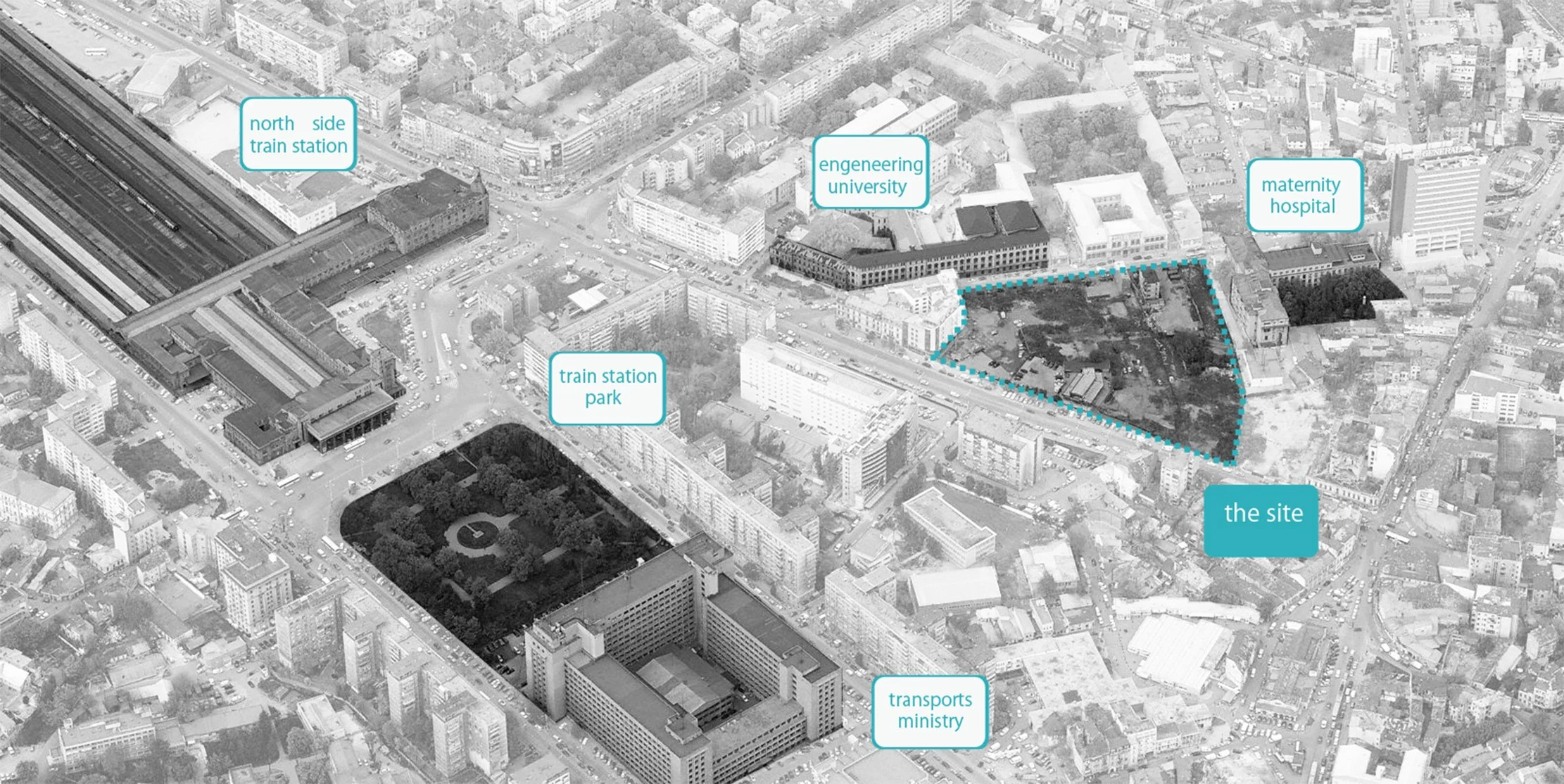
In response to the rigidity and sterility often associated with communist housing, this project aims to rejuvenate the atmosphere and spirit of the lively courtyards traditionally found in this part of the city. The result is a pedestrian-friendly environment that encourages exploration and engagement. The array of public and semi-public spaces within the development varies in their configurations, purposes, and atmospheres, providing a rich tapestry of experiences for the inhabitants and visitors to enjoy.

This approach to communal living provides an alternative to the uniformity of the communist dwellings that still dominate the city's architectural landscape. The apartments are carefully oriented, with the day areas facing the public spaces and the night areas situated towards the more intimate sections. This thoughtful arrangement caters to different lifestyles and preferences, offering a wide range of apartment types suitable for families with varying incomes. By incorporating a mix of residents, there is a deliberate avoidance of social segregation, fostering a sense of inclusivity and diversity within the community.
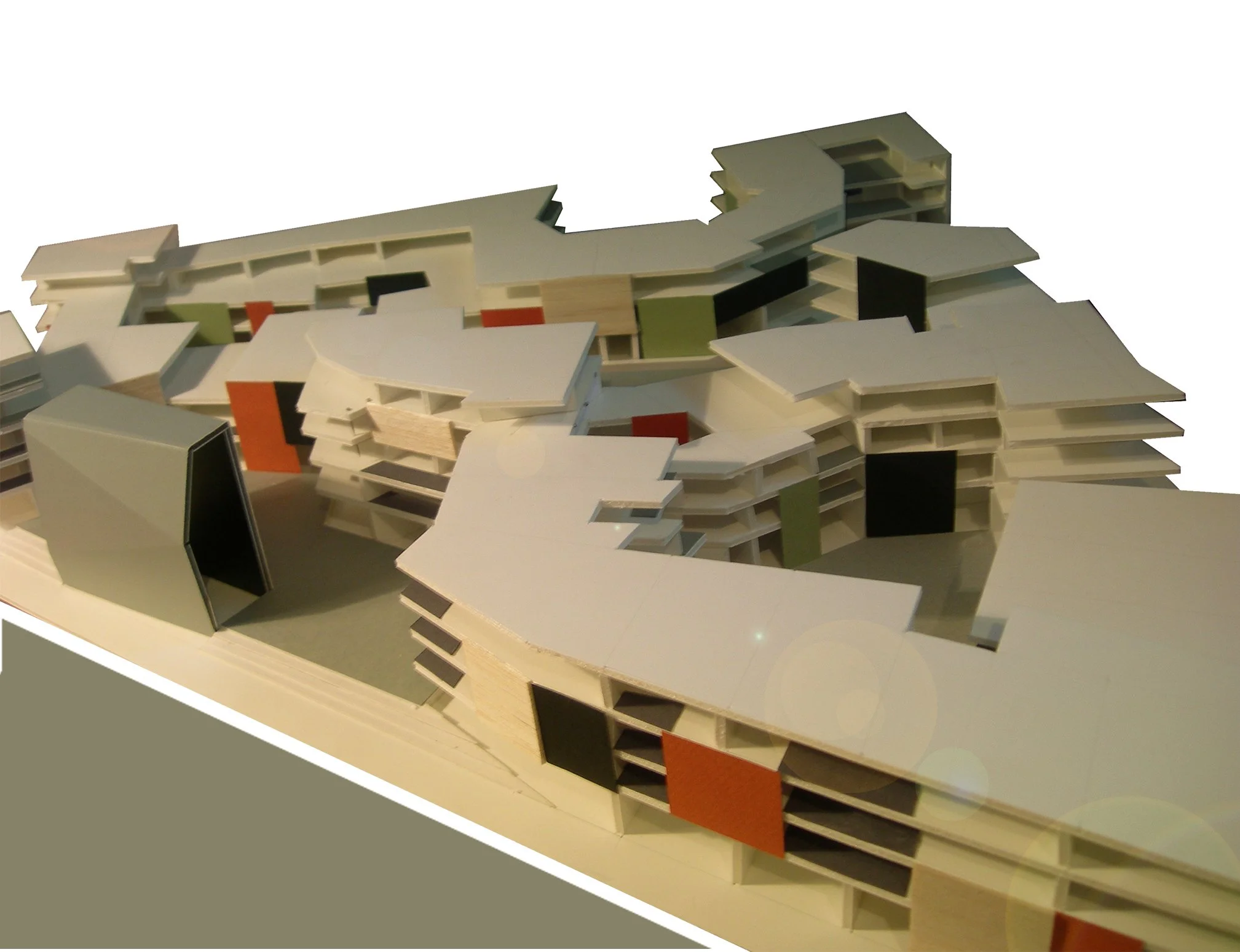
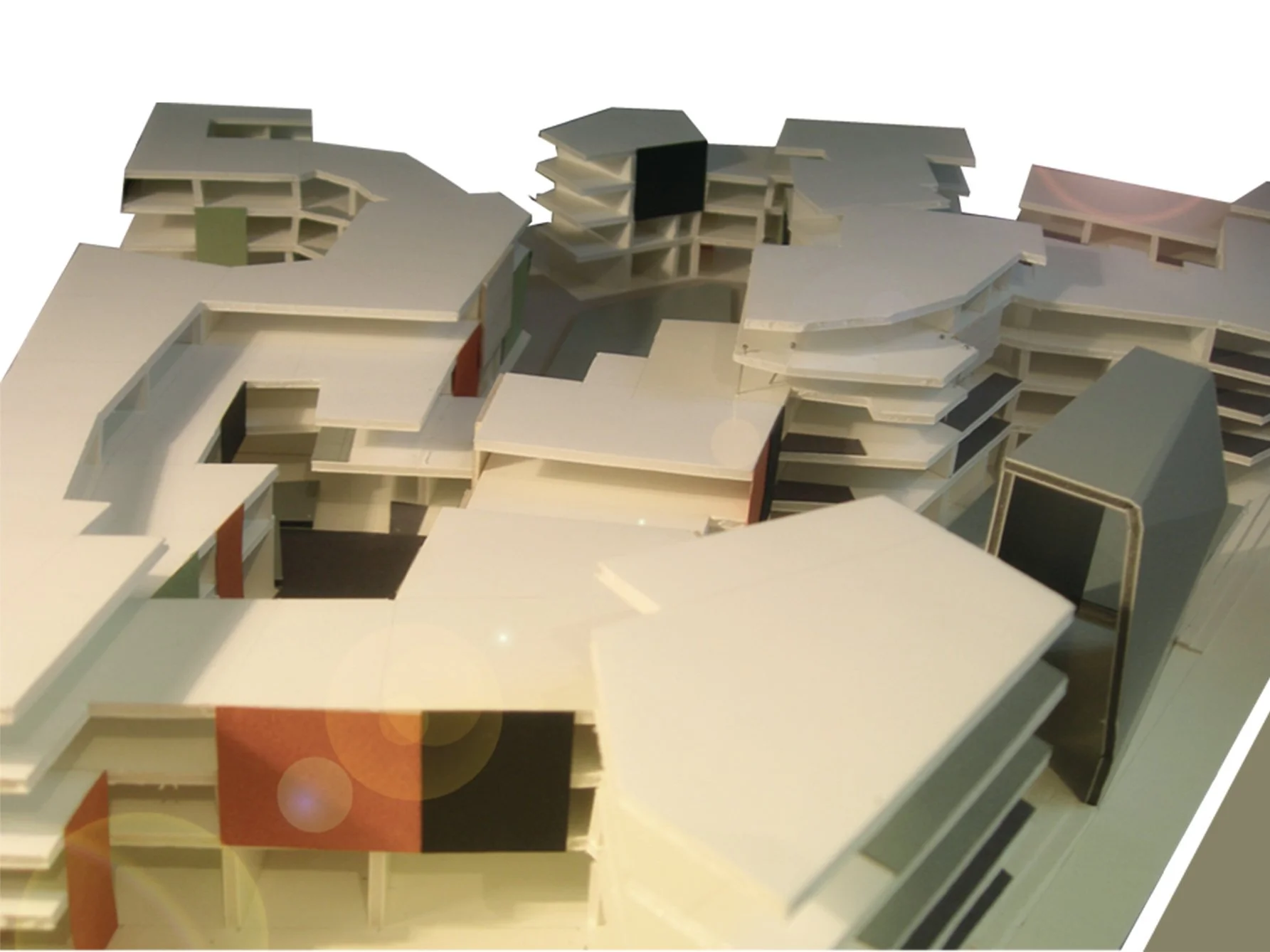
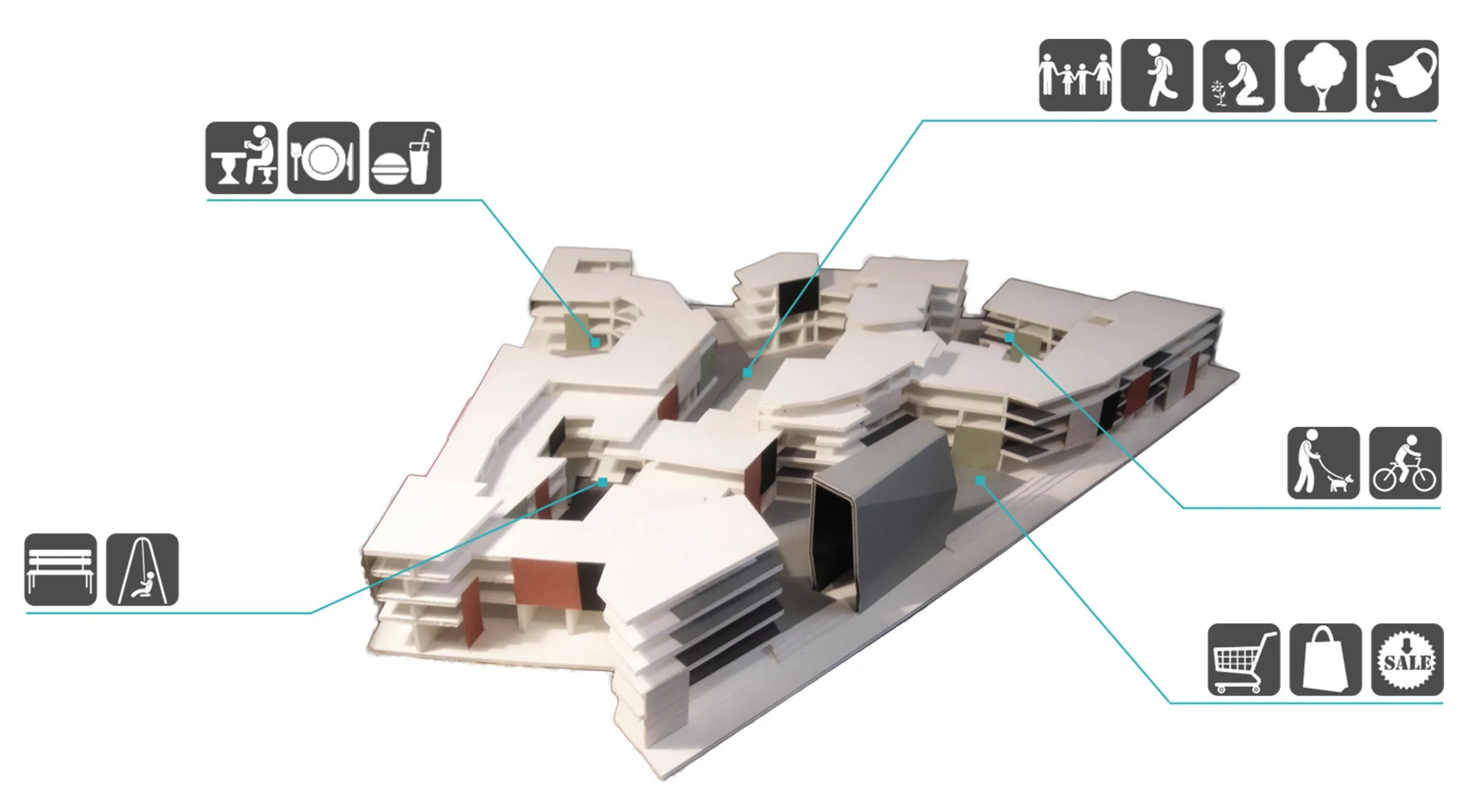
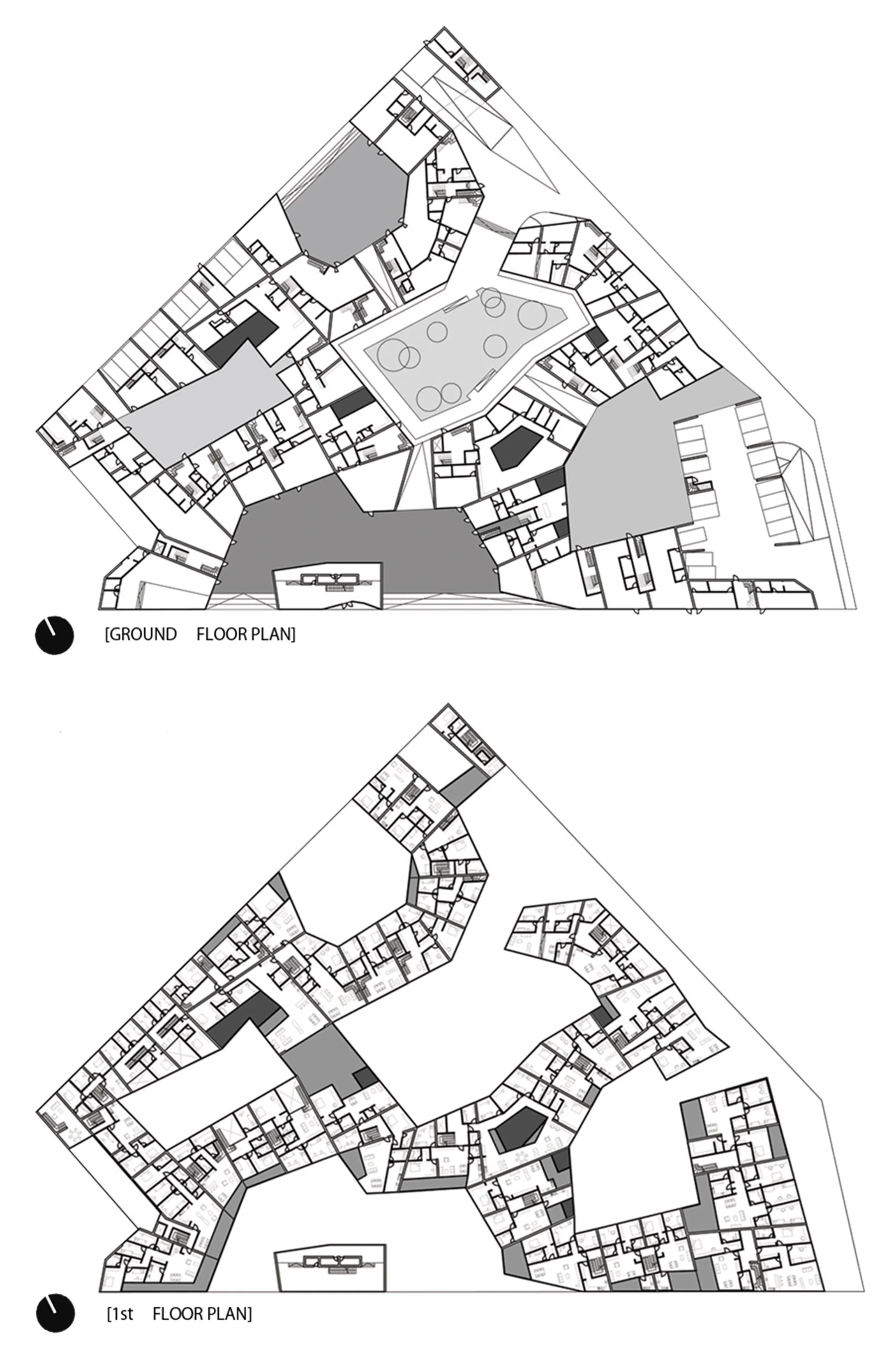
Overall, this project embraces the notion of diversity, both in terms of communal spaces and individual dwellings. It seeks to break free from the uniformity of communist housing, revitalizing the atmosphere of the neighborhood and promoting a more inclusive and engaging living experience. By incorporating a range of public and semi-public spaces, as well as diverse apartment types, the development fosters a sense of community and provides residents with a stimulating and dynamic environment to call home.
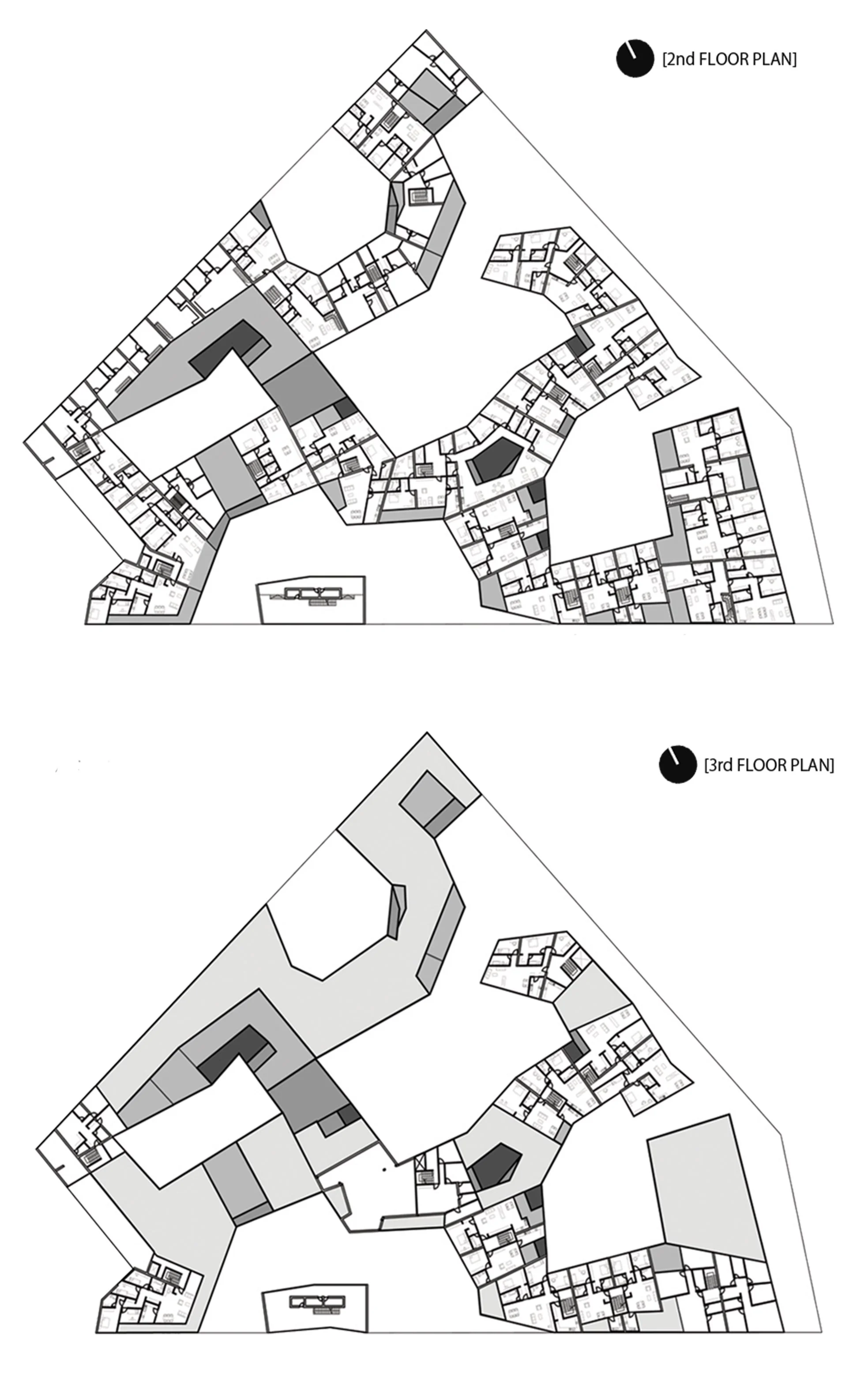
This diversity of spaces is not only limited to the communal areas but also extends to the individual apartments themselves. Playful elements are incorporated into the design, creating visually striking images that stand in stark contrast to the austerity of the communist dwellings that still dominate the architectural landscape of the city. These playful elements inject a sense of liveliness and vibrancy into the dwellings, offering a refreshing departure from the monotony of the past.
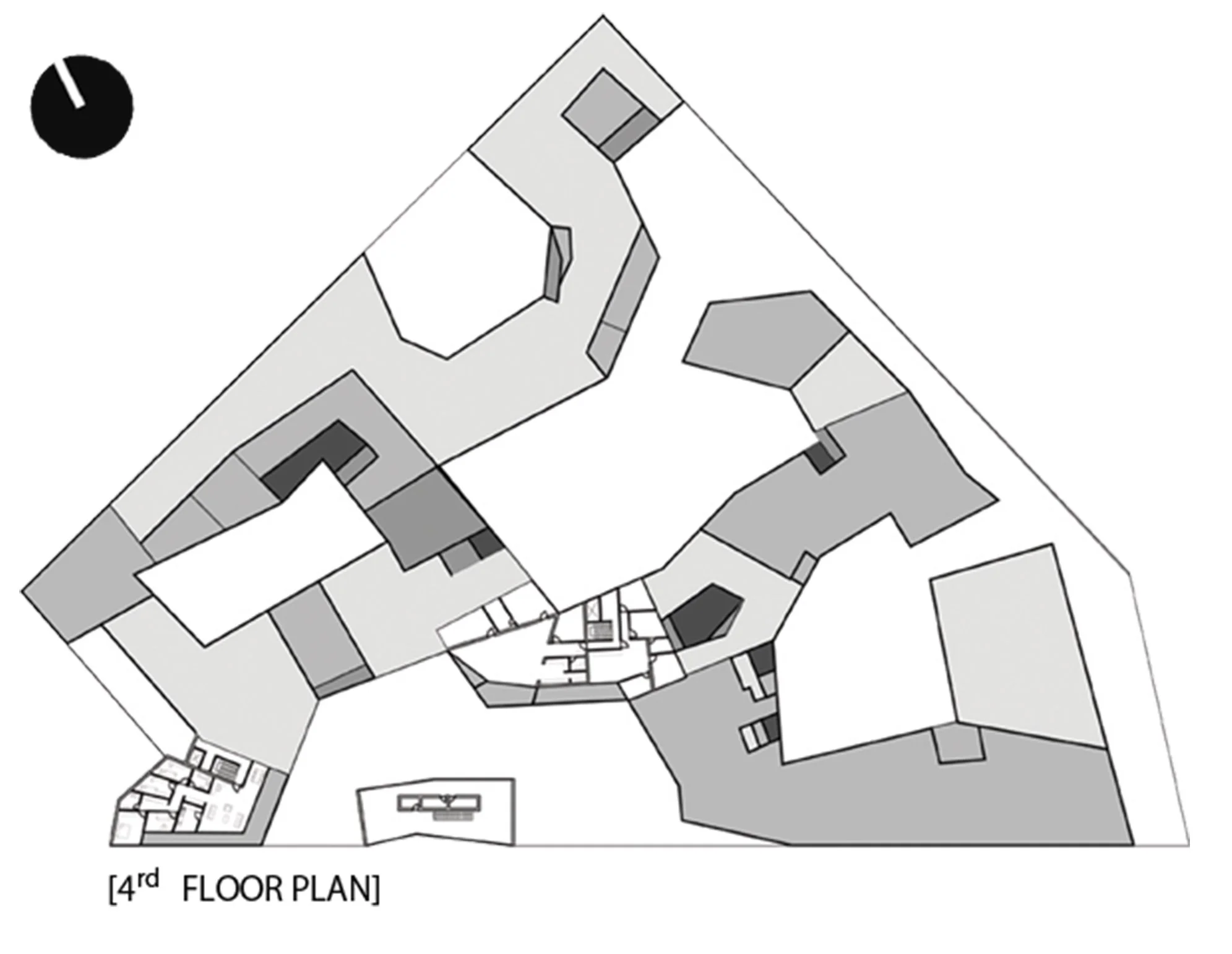
In conclusion, this architectural project challenges the dominance of communist dwellings in the city by offering a refreshing and diverse living experience. Through the creation of public, semi-public, and semi-private spaces, as well as a wide range of apartment types, it reinvigorates the atmosphere and spirit of the neighborhood. The deliberate orientation of the apartments, the incorporation of playful elements, and the avoidance of social segregation all contribute to a more vibrant and inclusive community.